

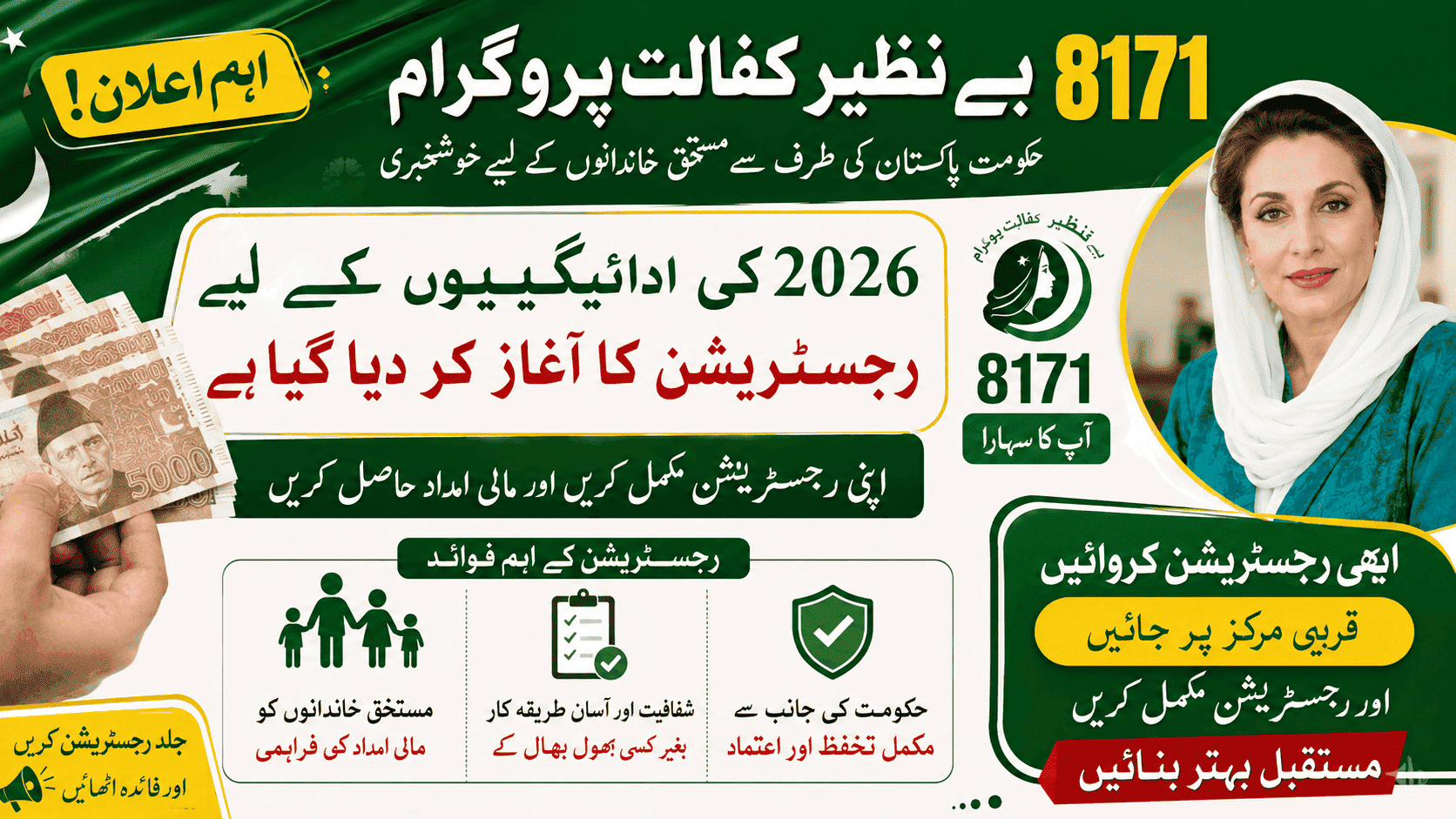
The Benazir Income Support Programme (BISP) remains one of Pakistan’s most important social protection initiatives, supporting millions of low-income families through cash assistance. In August 2026, payment monitoring and verification remain a major focus as BISP continues moving toward more transparent, digitally monitored and beneficiary-friendly payment systems.
The official BISP website currently lists “Payments to BISP Beneficiaries Notification and Technical Evaluation Report” among its payment-related material, while the programme has also maintained mechanisms for monitoring payments, handling complaints and improving accountability.
Important: The available official sources confirm strengthened payment-monitoring and verification mechanisms, but they do not establish that every viral claim describing an “August 2026 government order” represents a new standalone cash-payment rule. Beneficiaries should therefore rely on BISP’s official channels rather than social-media claims.
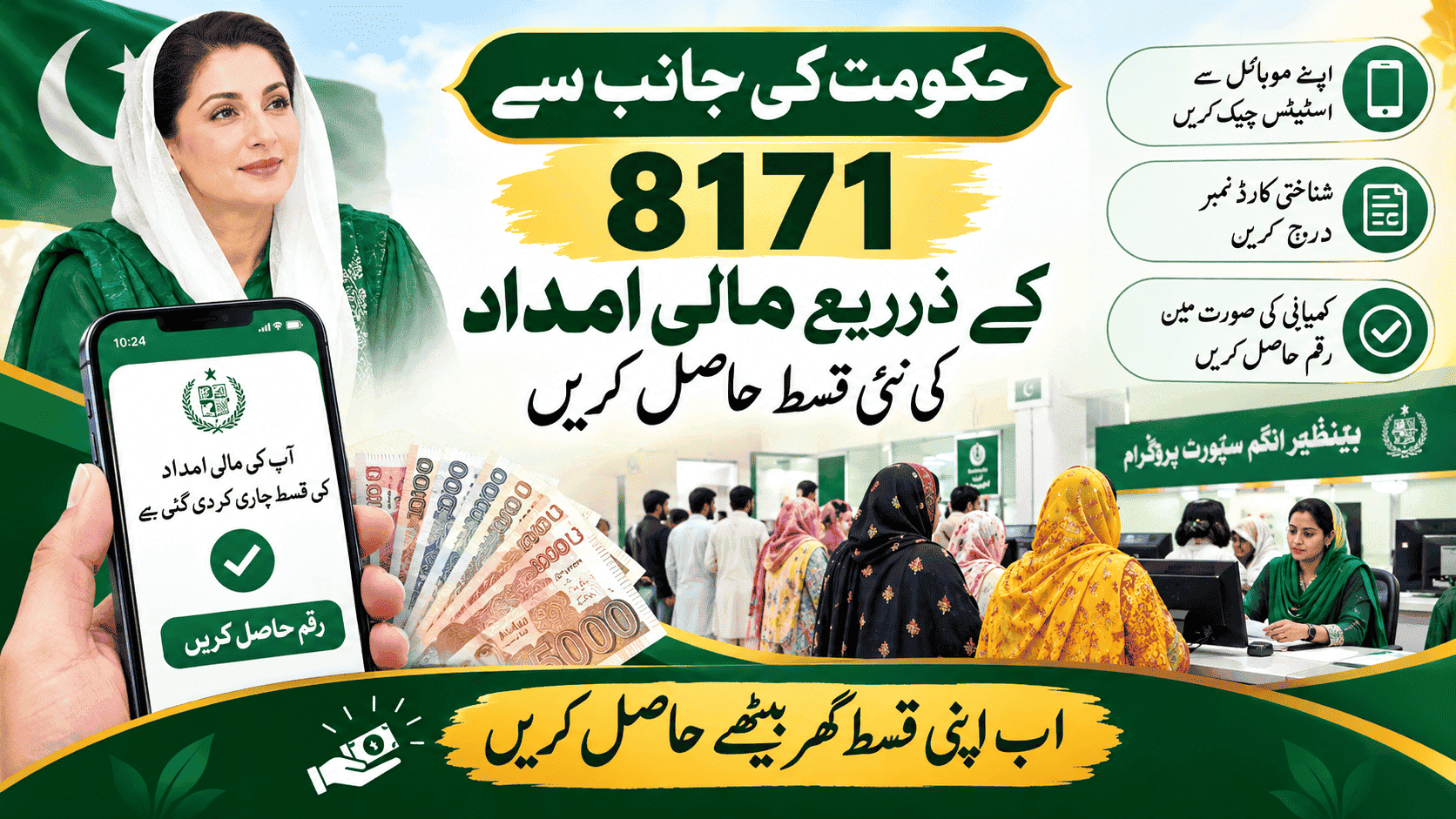
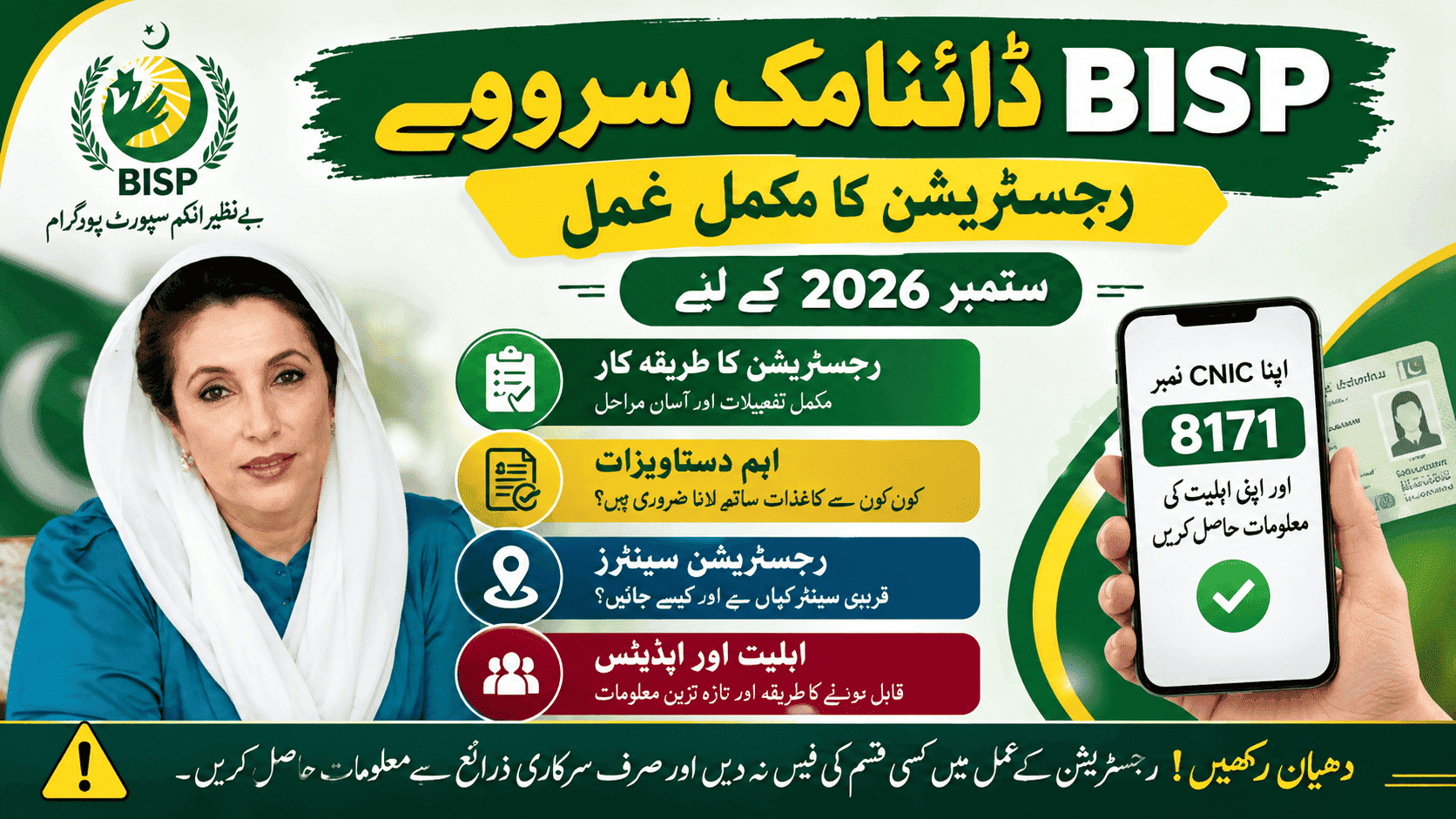
BISP 8171 2026: Latest Payment, Verification & Programme Details
| Key Detail | Latest Information |
|---|---|
| Programme | Benazir Income Support Programme (BISP) |
| Official SMS Number | 8171 |
| Payment Verification | CNIC-based verification and BISP payment systems |
| Current Focus | Payment monitoring, transparency and beneficiary protection |
| Official Portal | 8171 BISP Web Portal |
| BISP Helpline | 0800-26477 |
| Current Kafaalat Cycle | July–September 2026 |
| Current Reported Quarterly Payment | Rs. 14,500 |
| Future Payment Change | Rs. 18,000 from January 2027, according to current budget reporting |
| Main Advice | Check payment information through official BISP channels and do not pay agents for verification. |
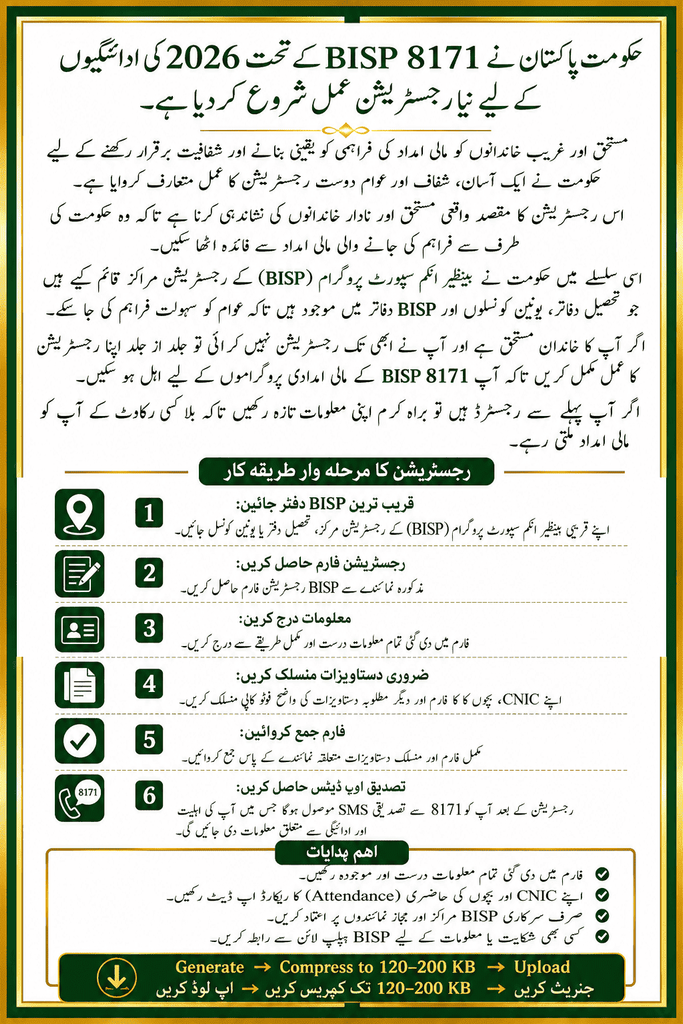
What Is the Latest BISP 8171 Update in August 2026?
The major issue for beneficiaries is not simply whether a payment has been released, but whether the payment reaches the right beneficiary, in the correct amount and through an authorized channel.
BISP has been developing technology-based controls for payment verification and monitoring for years. The Ministry of Poverty Alleviation and Social Safety describes mechanisms including a Payment Verification Interface (PVI), online monitoring dashboards, an electronic office system and a Payment Complaints Management System (PCMS). It also describes field monitoring and spot checks at payment locations.
This means that payment monitoring is designed to identify problems such as:
- unauthorized deductions;
- incorrect payment records;
- biometric or verification problems;
- complaints at payment points;
- irregularities involving payment agents;
- delays or discrepancies in disbursement; and
- attempts to obtain payments fraudulently.
Why Payment Monitoring Matters
For beneficiaries, stronger monitoring can make the payment process safer. A monitoring system allows BISP to compare payment records with beneficiary information and investigate complaints when something goes wrong.
The broader objective is to reduce leakage and make sure that government assistance reaches eligible families without unnecessary interference from intermediaries.
BISP 8171 Payment Status: How Beneficiaries Can Check
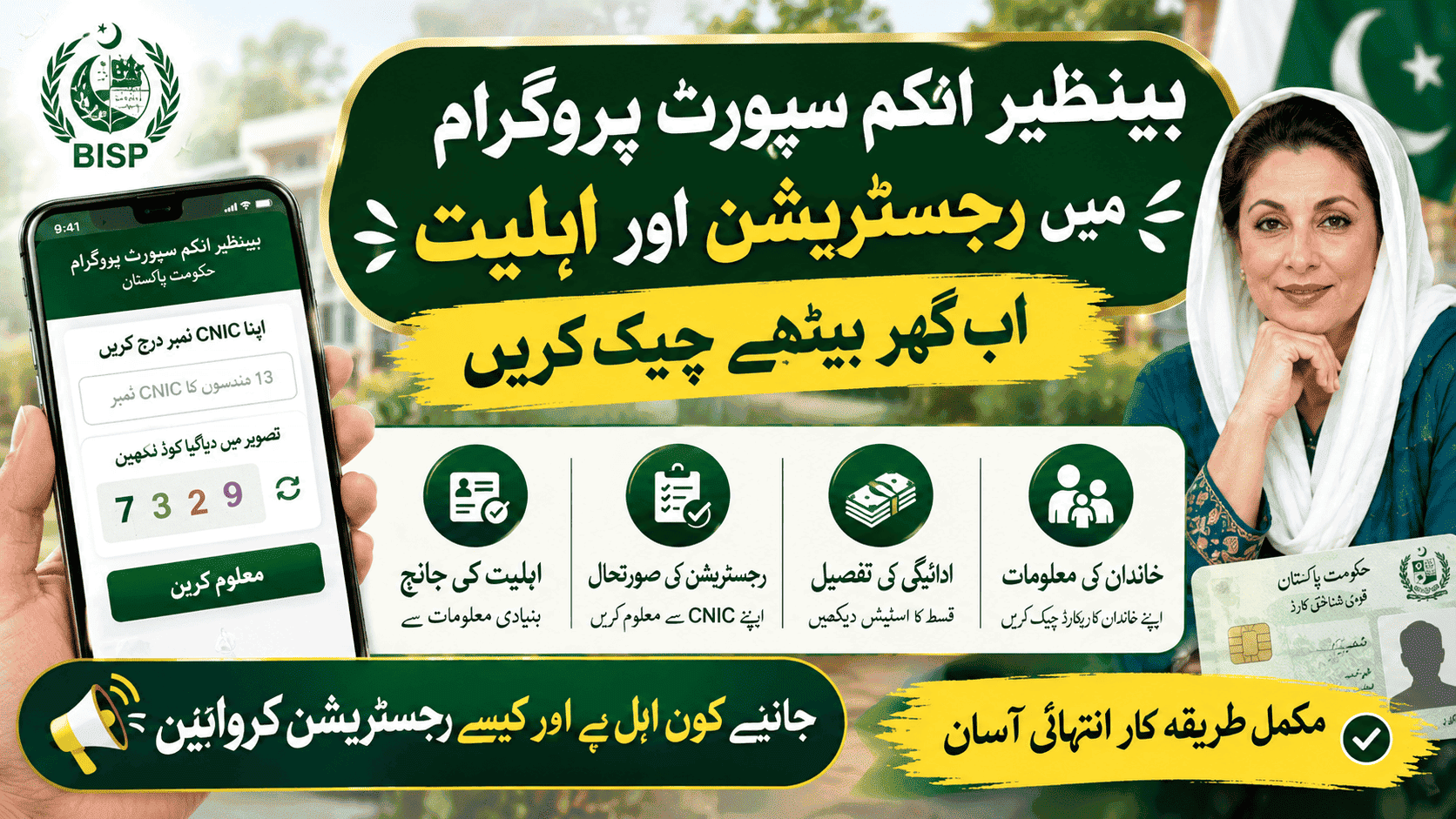
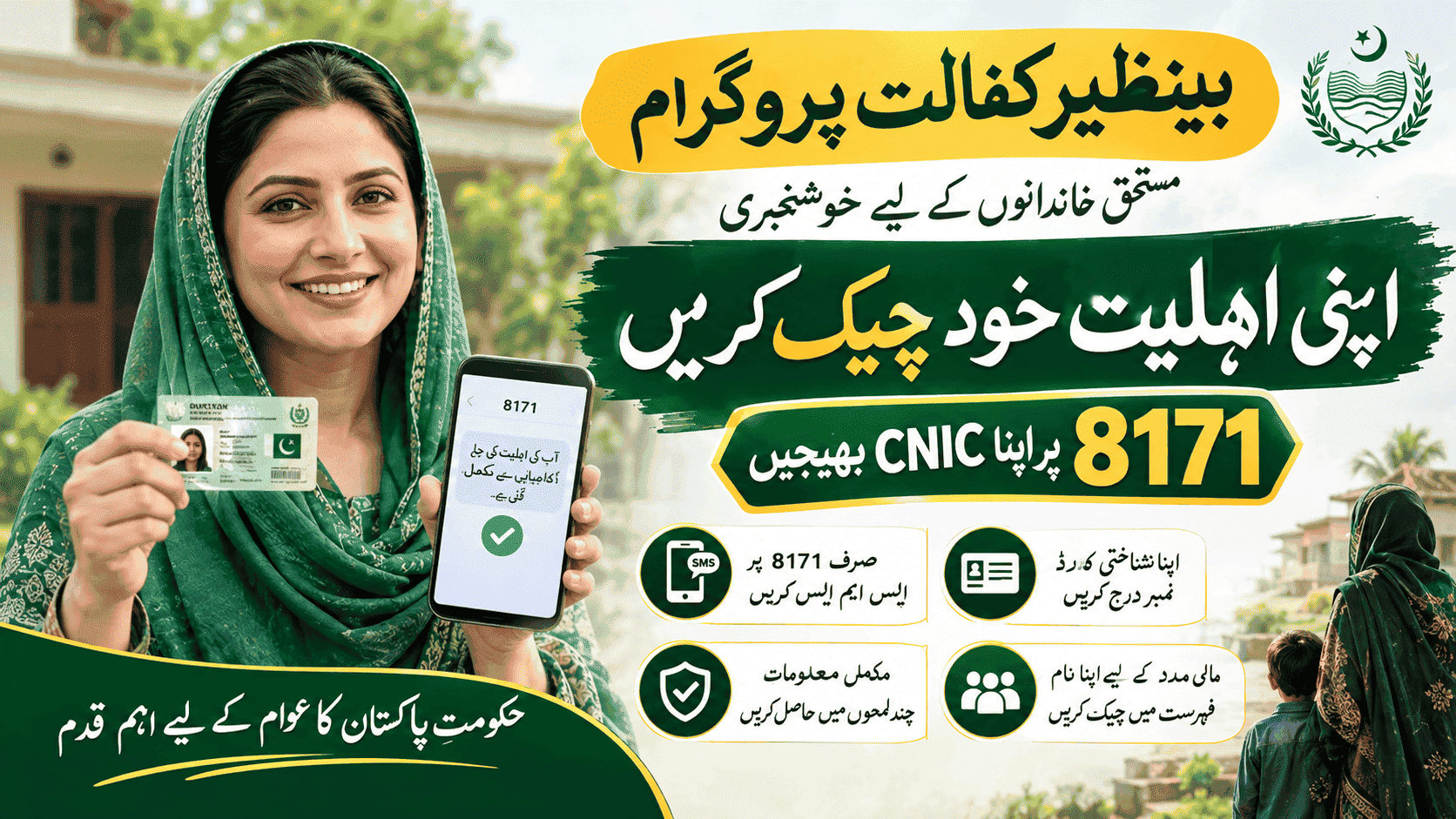
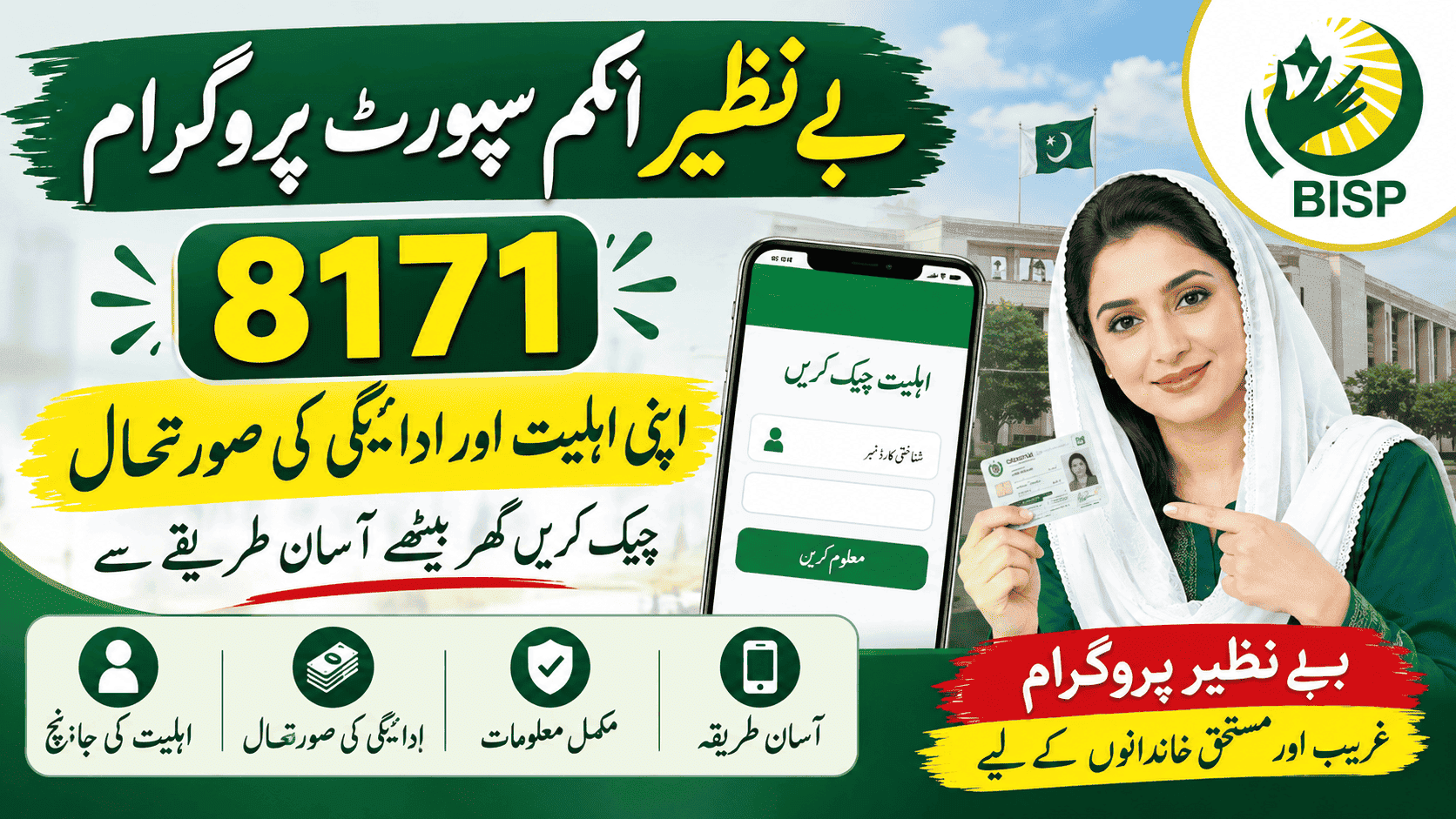
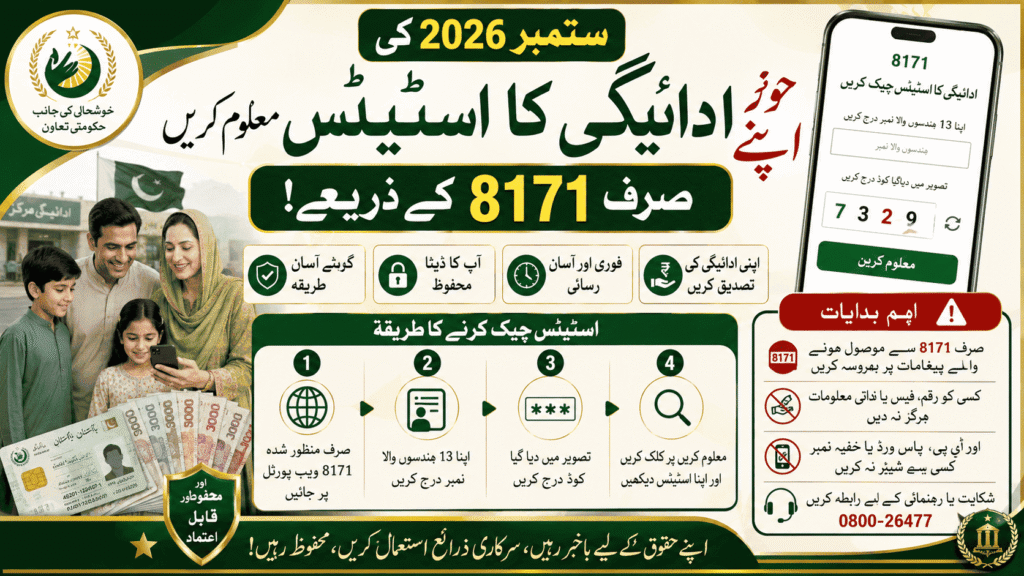
The official 8171 BISP portal provides a facility for checking household eligibility by entering a CNIC number and completing the displayed verification code.
Open the official 8171 BISP portal
Step 1: Use the Official 8171 Portal
Go to the official BISP 8171 portal and enter the required CNIC information.
Do not use websites that ask for unnecessary personal information, payment, passwords or banking credentials in exchange for checking BISP status.
Step 2: Check Your SMS Messages
8171 is the official BISP communication number. BISP has specifically warned beneficiaries not to trust other numbers claiming to represent the programme.
If you receive a message claiming that you have been selected for a BISP payment, verify it through official channels before taking any action.
Step 3: Contact BISP If There Is a Problem
For complaints or payment-related problems, BISP lists the helpline:
0800-26477
The official BISP website also identifies this as the programme’s helpline.
Visit the official BISP website
What Does Payment Monitoring Mean for BISP Beneficiaries?
The latest monitoring approach should be understood as an administrative and accountability measure, rather than automatically as a new eligibility rule.
Payments Can Be Checked Against Official Records
Payment systems are designed to verify whether a beneficiary is entitled to receive a payment and whether the transaction has been properly recorded.
This is particularly important as BISP continues modernizing the way beneficiaries receive assistance.
Complaints Can Be Used to Identify Irregularities
BISP’s Payment Complaints Management System provides an institutional mechanism for dealing with payment-related complaints. The government has also described field monitoring and spot checks as part of its efforts to improve payment transparency.
Beneficiaries who believe that their payment has been reduced, withheld incorrectly or subjected to an unauthorized deduction should report the issue rather than paying an intermediary to “solve” it.
Monitoring Can Help Reduce Fraud
Payment monitoring is also intended to make fraudulent activity more difficult. Digital records and verification procedures can help identify inconsistencies between beneficiary information and payment transactions.
BISP Payment Amount in 2026
One important point for readers searching for the August 2026 BISP payment update is to distinguish the current installment from future increases.
Current reporting indicates that the July–September 2026 Kafaalat installment is Rs. 14,500, while the next major increase to Rs. 18,000 is expected from January 2027 under the FY2026–27 budget framework.
Therefore, beneficiaries should be cautious about social-media posts claiming that the Rs. 18,000 amount is already the standard payment for the August 2026 quarter.
Is Rs. 18,000 the August 2026 Payment?
No, it should not be treated as the current August 2026 standard installment.
The available reporting places the Rs. 18,000 amount from January 2027, while the current July–September 2026 cycle remains at Rs. 14,500.
This distinction is important because misleading payment announcements can cause beneficiaries to visit unauthorized agents or disclose personal information.
BISP Digital Payment and Transparency Measures
BISP has been moving toward more modern payment arrangements rather than relying exclusively on traditional payment camps.
The programme has previously announced digital-wallet initiatives and plans for direct bank-account-based payments. Official BISP material has also documented collaboration with financial institutions to improve payment disbursement for millions of beneficiaries.
These changes are significant because a more digitally integrated system can potentially:
- improve transaction records;
- reduce dependence on informal intermediaries;
- make payment tracking easier;
- strengthen fraud controls;
- improve financial inclusion; and
- give beneficiaries greater control over their funds.
What Beneficiaries Should Do Under the New Monitoring Approach
Keep Your CNIC Information Updated
Beneficiaries should make sure their identity information is accurate and that they follow BISP instructions if additional verification is required.
Changes in household circumstances can also affect eligibility because BISP uses socioeconomic information and the National Socio-Economic Registry (NSER) in determining programme eligibility.
Do Not Pay Anyone for BISP Verification
A beneficiary should be particularly cautious if someone demands money for:
- checking 8171 status;
- releasing a payment;
- changing eligibility;
- updating a BISP record; or
- arranging a supposedly guaranteed payment.
Use official BISP channels instead.
Verify the Amount Before Leaving a Payment Point
When collecting a payment, beneficiaries should verify the amount they actually receive and retain any transaction or payment receipt provided through the authorized system.
If there is a discrepancy, report it through BISP’s official complaint channels.
Never Share Sensitive Banking Information
A legitimate BISP verification message should not be treated as permission to disclose passwords, PINs or other highly sensitive financial information to strangers.
Beneficiaries should also be skeptical of links sent through unofficial WhatsApp, Facebook or SMS accounts.
How BISP Monitoring Could Improve Payment Transparency
The importance of the latest payment-monitoring direction extends beyond one payment cycle.
BISP supports millions of households, so even relatively small weaknesses in the payment process can affect a large number of people. A combination of digital verification, transaction monitoring, complaint management and field inspections can create multiple layers of accountability.
The Ministry’s description of BISP’s payment architecture already includes online dashboards, payment verification, complaint management and field spot checks.
Better Oversight
Regular monitoring can help officials identify payment locations or processes where complaints are unusually high.
Faster Identification of Problems
Digital records can make it easier to compare transactions and identify unusual activity.
Greater Beneficiary Protection
The ultimate purpose should be ensuring that eligible beneficiaries receive the assistance intended for them without unauthorized deductions or unnecessary delays.
Common Misunderstandings About BISP 8171 August 2026
Does Every 8171 Message Mean Payment Is Ready?
No. Beneficiaries should distinguish between eligibility information, verification requests and actual payment notifications. The safest approach is to verify information through BISP’s official channels.
Is Every Website Offering 8171 CNIC Checking Official?
No. The official BISP portal is the appropriate online source for checking eligibility information.
Has the Payment Monitoring System Cancelled BISP Payments?
Payment monitoring should not automatically be interpreted as cancellation of the BISP programme or a blanket suspension of payments. Monitoring is primarily connected with verification, transparency and accountability.
Can an Agent Charge a Fee for Releasing BISP Money?
Beneficiaries should not assume that an unofficial deduction is legitimate. If an agent or intermediary demands money, the beneficiary should report the matter through BISP’s official complaint mechanism.
Frequently Asked Questions
What is the BISP 8171 latest update for August 2026?
The latest official information available emphasizes payment administration, verification and monitoring. BISP continues to maintain technology-based payment-verification and complaint-management mechanisms, while its official website lists payment-related notifications and technical material.
What is the current BISP payment in August 2026?
Current reporting indicates that the July–September 2026 Benazir Kafaalat installment is Rs. 14,500. The reported Rs. 18,000 amount is associated with the planned January 2027 increase.
What is the official BISP 8171 number?
8171 is the official BISP SMS number. BISP has warned beneficiaries against trusting other numbers claiming to represent the programme.
What is the BISP complaint helpline?
The official BISP helpline is 0800-26477.
How can I check my BISP status online?
Use the official 8171 BISP portal, enter your CNIC and complete the verification step shown on the website.
What should I do if my payment has an unauthorized deduction?
Keep any available payment evidence and contact BISP through its official complaint channels or helpline. Do not pay another intermediary to recover the money.
Final Thoughts
The BISP 8171 August 2026 payment-monitoring update is best understood in the context of BISP’s continuing push toward stronger verification, digital payment controls and greater accountability. Official BISP and government material confirms that payment verification, online monitoring, complaint management and field oversight are established parts of the programme’s payment architecture.
For beneficiaries, the most important steps are straightforward: use 8171 for official SMS communication, check status through the official BISP portal, keep CNIC and household information accurate, verify payment amounts, and report suspicious deductions or fraudulent messages.
Most importantly, beneficiaries should not rely on viral claims about a “new government order” unless the information can be confirmed through BISP or another official government source. This is particularly important when claims involve payment amounts, eligibility changes or requests for money.





Leave a Reply