

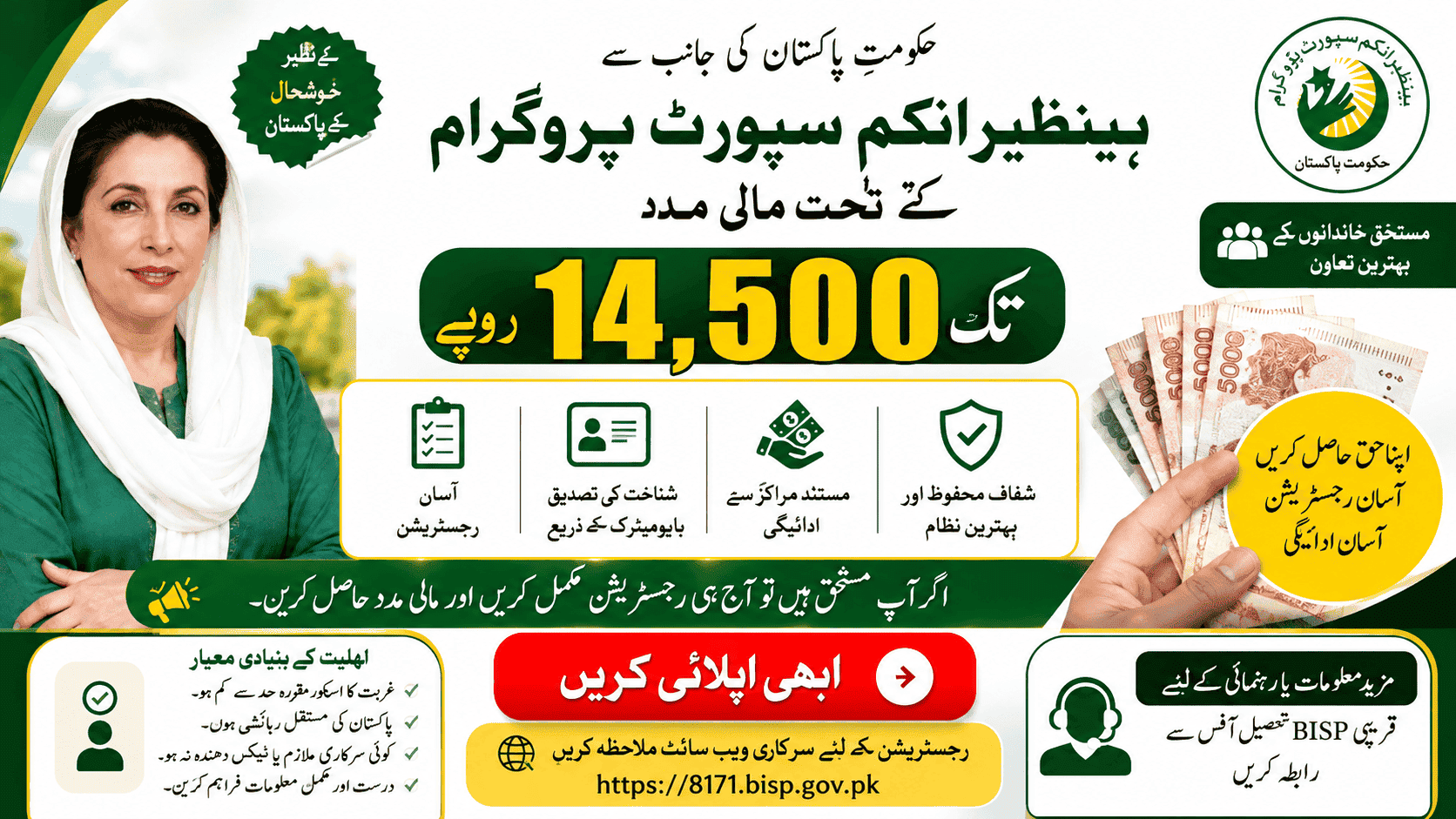
The BISP Kafalat Rs. 14,500 payment 2026 is a major point of interest for families receiving financial assistance through the Benazir Income Support Programme (BISP). Eligible beneficiaries want to know whether their payment has been released, whether their eligibility is still active, and how they can check their status using their CNIC.
BISP beneficiaries should always verify payment information through official channels because payment amounts, release schedules, eligibility conditions, and collection procedures can change. The amount of Rs. 14,500 should also be verified against the beneficiary’s individual record rather than assumed to apply to every household. This guide explains the eligibility process, CNIC status checking, payment verification, common issues, and safe collection procedures.
BISP Kafalat Payment 2026 – Key Information
| Information | Details |
|---|---|
| Programme | Benazir Income Support Programme (BISP) |
| Payment Category | Benazir Kafaalat |
| Reported Amount | Rs. 14,500 |
| Eligibility Basis | Household socioeconomic assessment and BISP criteria |
| Status Check | Official BISP 8171 channels |
| CNIC Required | Valid CNIC of the beneficiary |
| Survey | Dynamic Survey/NSER information may need updating |
| Official SMS Number | 8171 |
| Payment Verification | Check your individual BISP record |
| Important Advice | Do not pay an unauthorized person to obtain a BISP payment. |
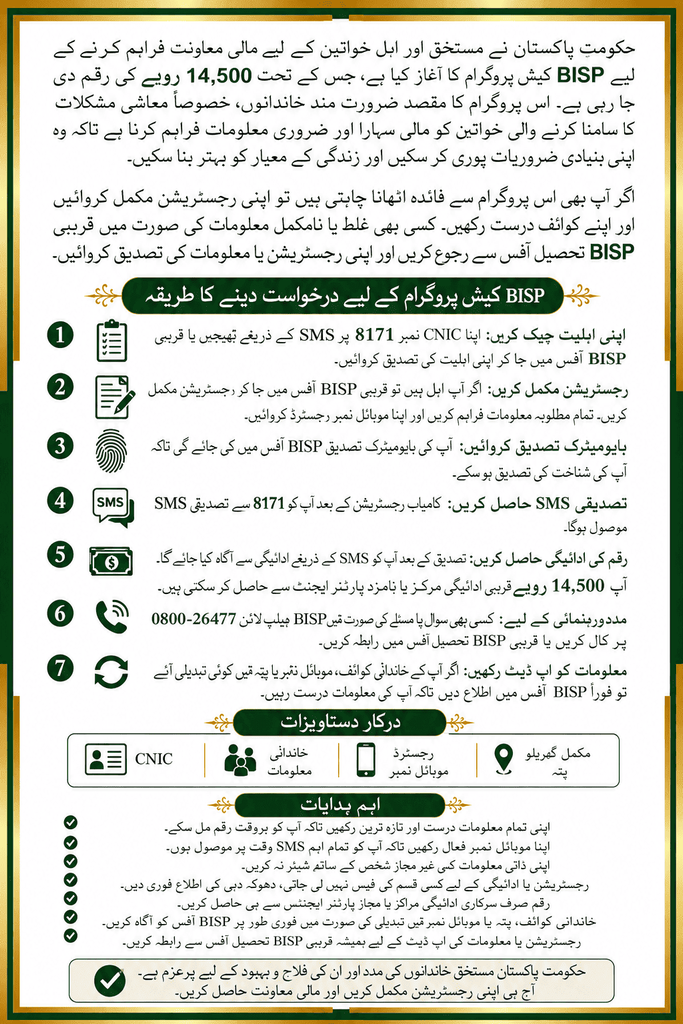
What Is the BISP Kafalat Rs. 14,500 Payment?
Benazir Kafaalat is one of the main cash assistance programmes administered by BISP. It is designed to provide financial support to eligible women and deserving households that meet the programme’s socioeconomic and verification requirements.
The Rs. 14,500 figure is being searched by beneficiaries as a possible 2026 Kafaalat payment amount. However, beneficiaries should verify the amount shown against their own BISP record before visiting a payment point.
A general figure circulating online does not necessarily mean that every beneficiary will receive the same amount. Government payment amounts and schedules can be revised, and individual records may show different information depending on the applicable payment cycle or adjustments.
Therefore, the most reliable approach is to check your BISP status through an official channel before attempting to collect the payment.
Who May Be Eligible for BISP Kafaalat in 2026?
BISP eligibility is not determined solely by whether a person is unemployed or has a low income. The programme uses household socioeconomic information and established eligibility and exclusion criteria.
A household may be considered for assistance based on information recorded through the relevant socioeconomic survey and verification systems.
Important Eligibility Factors
Common factors that may affect eligibility include:
- The household’s socioeconomic condition.
- Information recorded in the NSER/Dynamic Survey.
- Valid and correctly recorded CNIC information.
- Household and family information.
- Completion of any required verification.
- Compliance with BISP eligibility and exclusion criteria.
- Accuracy of information provided to the programme.
Being registered in the system does not necessarily mean that a payment is immediately available. Beneficiaries should check their current status because eligibility can be reviewed or updated.
How to Check BISP Kafalat Payment Status by CNIC
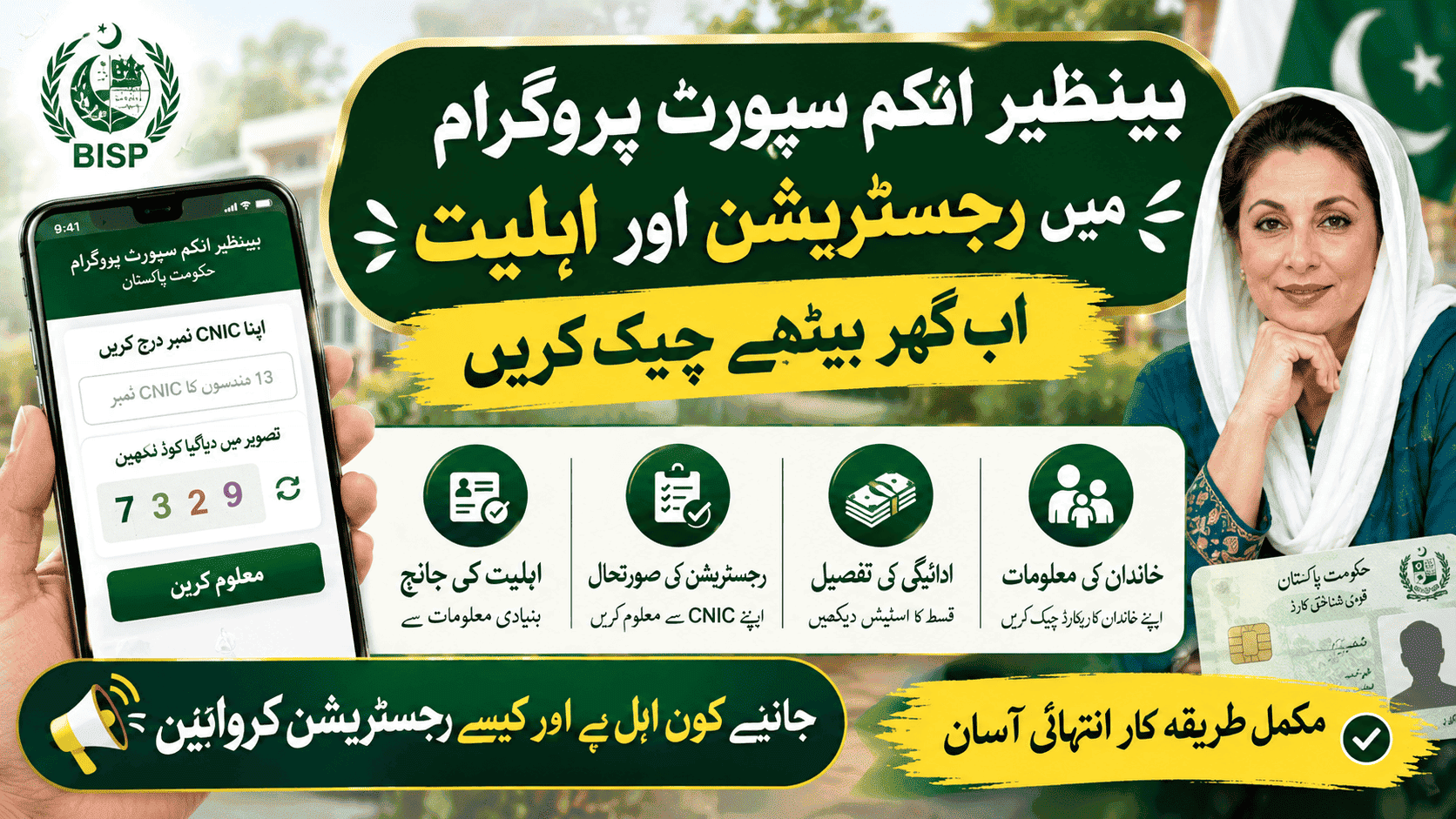
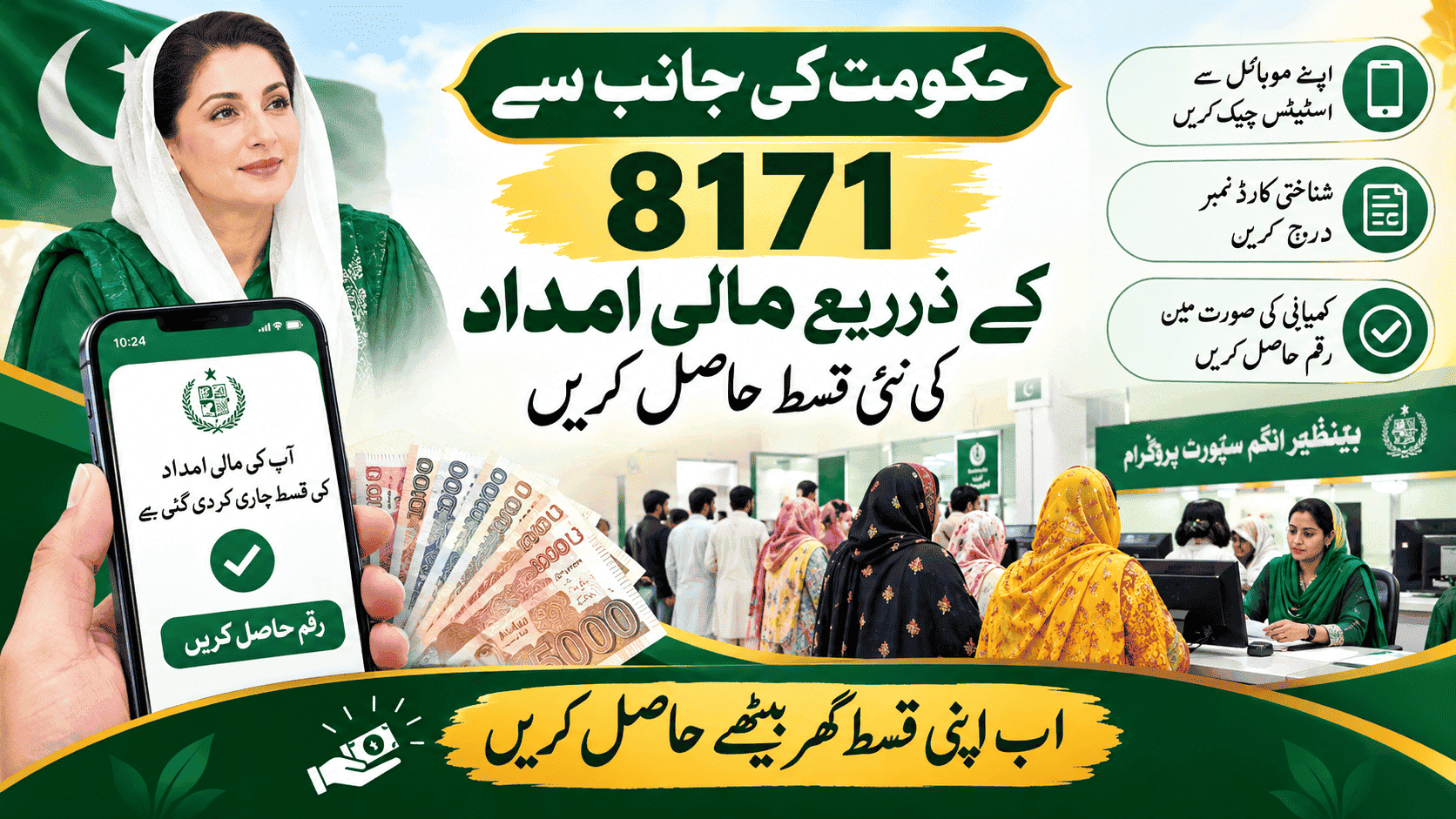
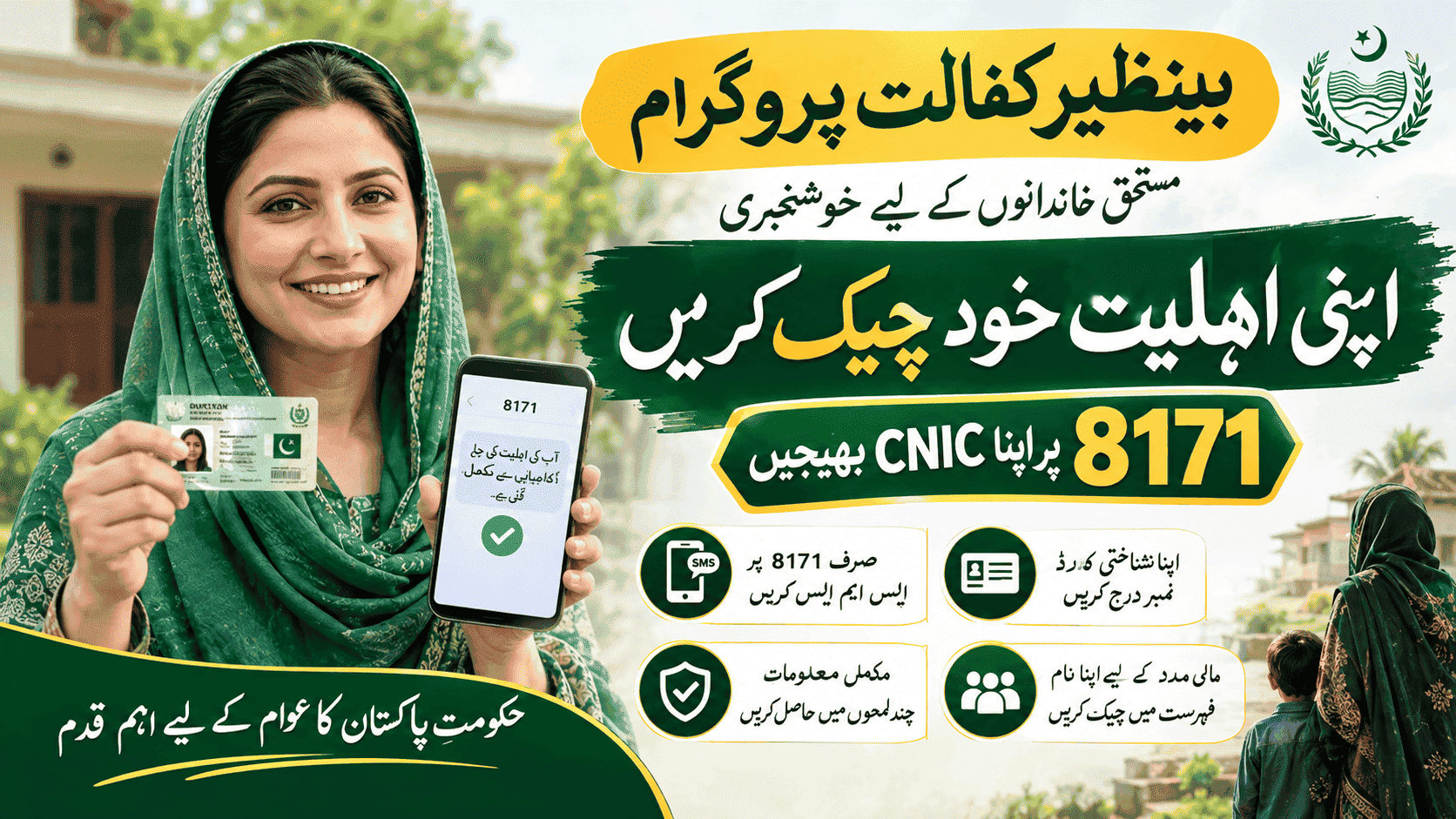
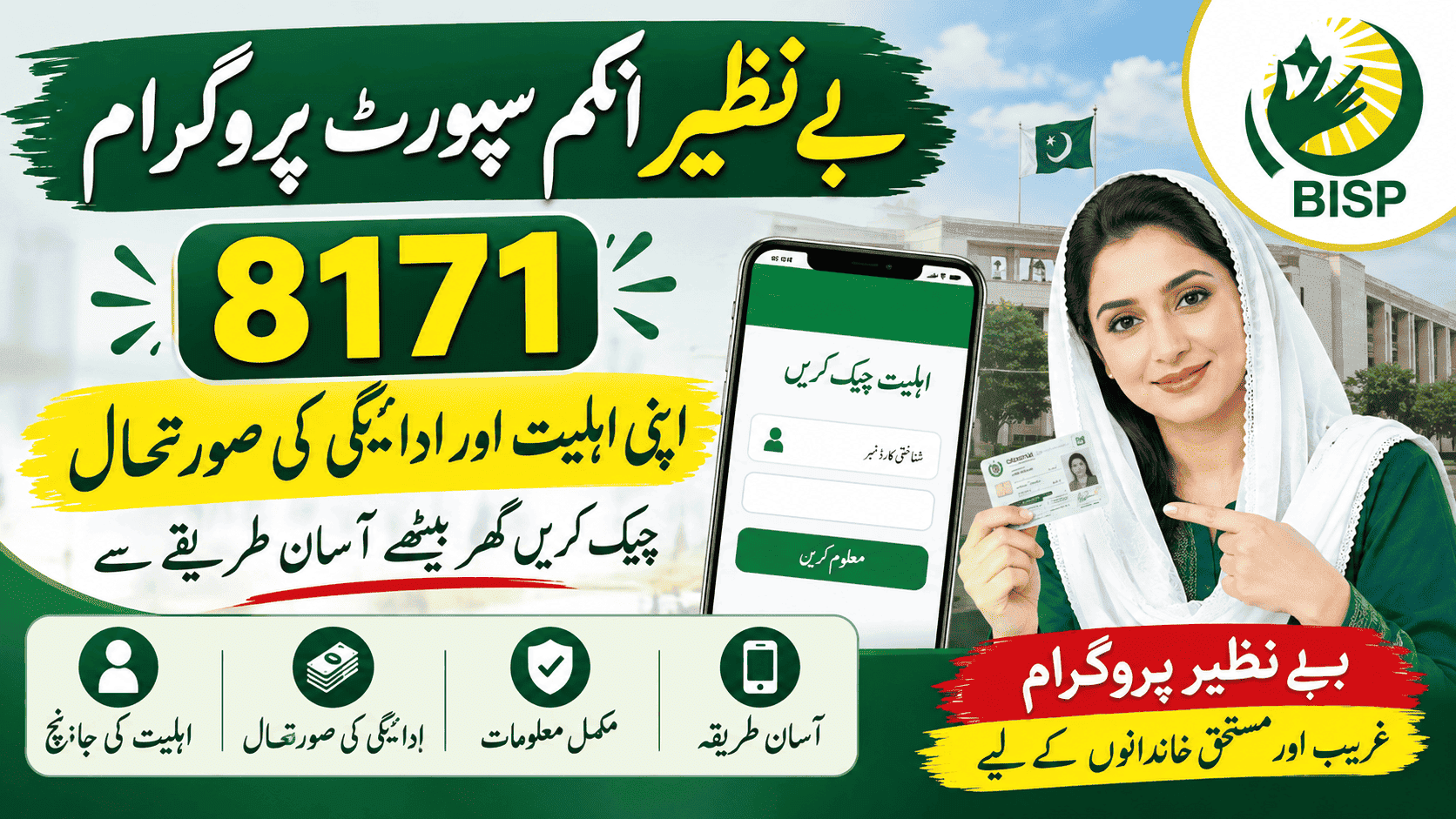
The easiest way for many beneficiaries to verify their BISP record is through the official 8171 system.
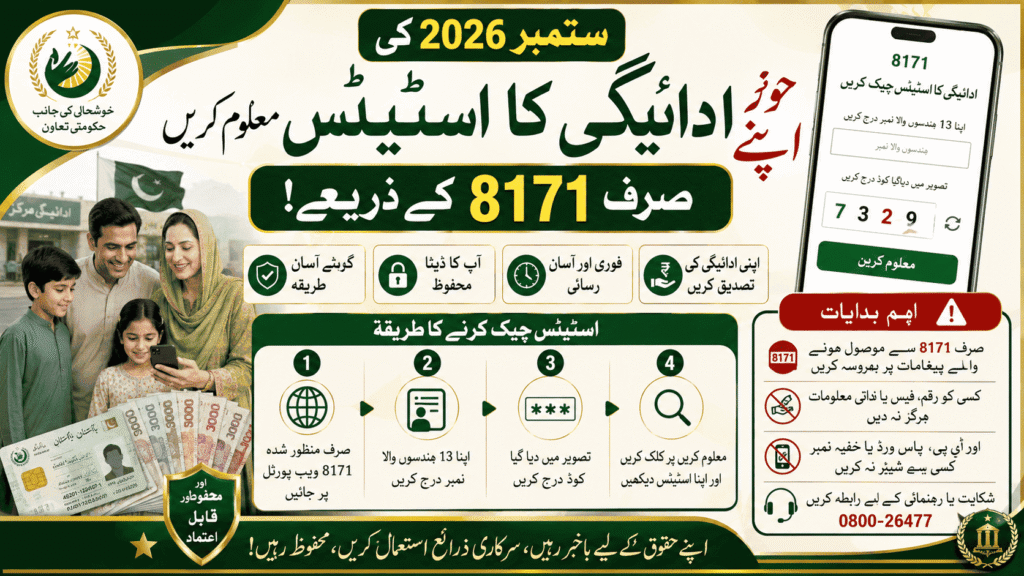
Step-by-Step CNIC Status Check
- Open the official BISP 8171 status-check service.
- Enter your valid CNIC number in the required field.
- Complete the verification step if requested.
- Submit your information.
- Review the eligibility or payment message displayed for your CNIC.
- If a payment has been released, follow the official instructions for collection.
The status shown for your CNIC is more important than an amount mentioned in an unofficial Facebook post, YouTube video, WhatsApp message, or third-party website.
How to Check BISP Information Through 8171 SMS
BISP uses 8171 for official beneficiary communication. Where SMS-based verification is available, beneficiaries should follow the instructions officially provided by BISP.
Do not confuse 8171 with ordinary mobile numbers.
If someone contacts you from a different number and claims to be a BISP officer, asks for a fee, or promises to increase your payment, treat the message with caution.
Never Share Sensitive Information
Beneficiaries should not share the following information with unknown people:
- CNIC photographs with unverified individuals
- ATM PIN
- Bank PIN
- Passwords
- OTP codes
- Mobile banking credentials
- Personal financial information
BISP payments should not require beneficiaries to pay an unofficial agent for release.
What Different BISP Status Messages Can Mean
After checking your CNIC, you may receive a status indicating that your household is eligible, under verification, or not currently eligible.
Eligible
An eligible result generally means that the household has been recognized as meeting the applicable programme criteria. Payment availability should still be confirmed separately.
Payment Released
A payment-related message may indicate that an amount has been issued or made available. Beneficiaries should verify the amount and collection instructions before visiting the payment center.
Under Verification
This can mean that the beneficiary’s information is still being processed or reviewed. In such a situation, repeatedly submitting applications through unofficial websites will not necessarily speed up the process.
Survey Required
If the system indicates that a survey or record update is required, the beneficiary should follow BISP’s official instructions for completing the relevant process.
Not Eligible
A person may be shown as ineligible when the household does not meet the current programme criteria. Eligibility decisions are based on the information available to BISP and its applicable assessment procedures.
Why Has My BISP Payment Not Arrived?
There can be several reasons why an eligible beneficiary does not immediately receive a payment.
Common Reasons for Delays
- The payment cycle has not started for the beneficiary’s area.
- The household record is undergoing verification.
- CNIC information needs updating.
- A Dynamic Survey update is required.
- Biometric verification has not been completed successfully.
- The payment has not yet been released.
- The beneficiary’s eligibility is being reassessed.
- There is an issue with the payment or beneficiary record.
A delayed payment does not automatically mean that the beneficiary has been permanently removed from BISP.
What to Do If Your BISP Payment Is Blocked
If your status shows a problem, first identify the exact reason provided through the official system.
If the issue concerns your household survey or personal information, visit the appropriate BISP Tehsil Office or designated official center and ask staff to review your record.
Take your original CNIC and any relevant documents requested by BISP. Avoid using agents who claim they can restore your eligibility for money.
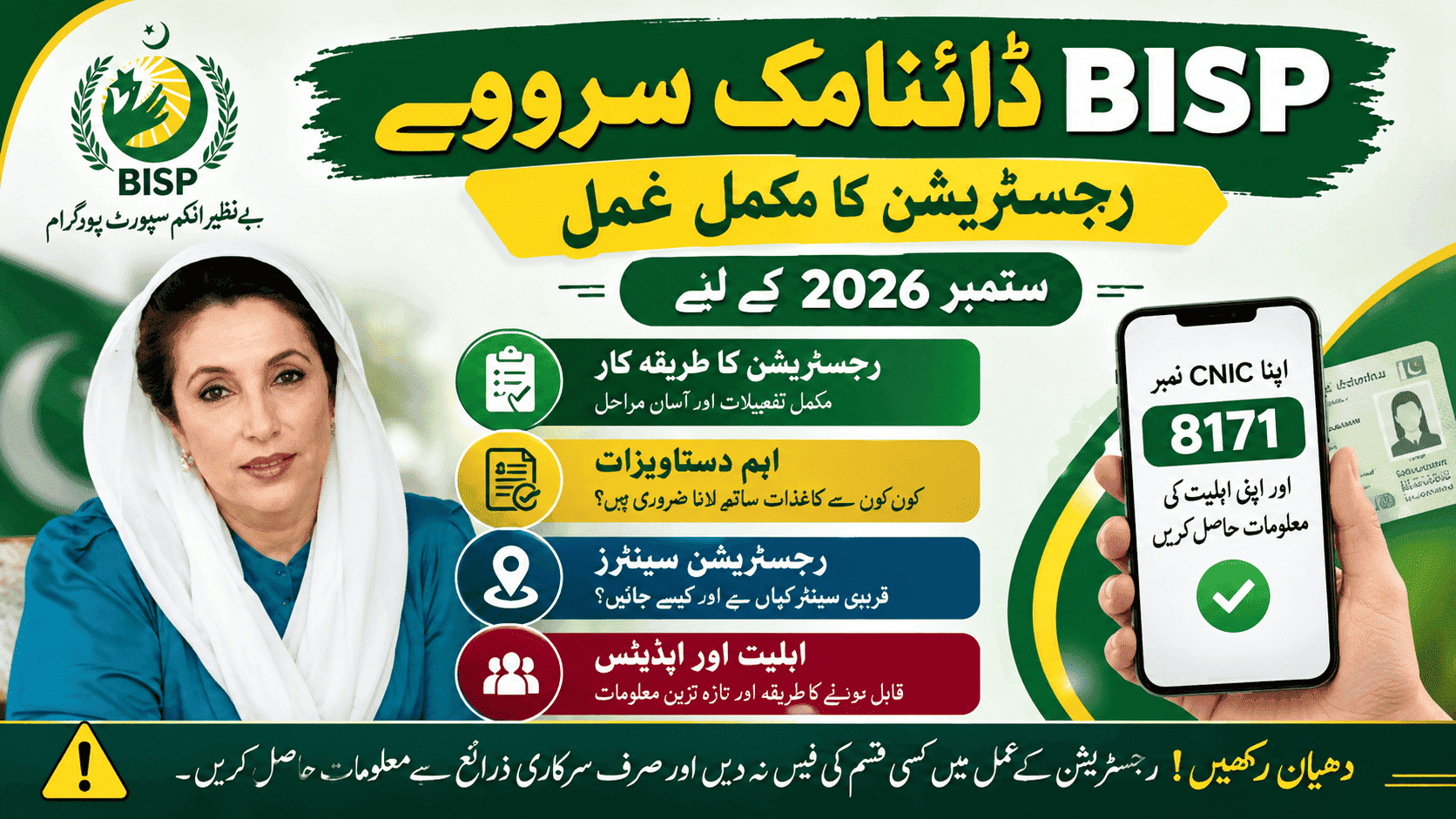
BISP Dynamic Survey and Eligibility Updates
The socioeconomic information used by BISP is important for determining eligibility. Households whose circumstances or family information have changed may need their records updated through the relevant official process.
For example, changes involving household members, marital status, contact information, or other relevant details may require updating when BISP asks for it.
Why Keeping Your Record Updated Matters
An outdated household record can create problems when eligibility is reviewed. Beneficiaries should therefore respond to official survey or verification requirements instead of ignoring them.
However, beneficiaries should only provide information through recognized BISP channels or offices.
How to Receive the BISP Kafalat Payment Safely
Once a payment is officially available, beneficiaries should follow the collection method communicated by BISP.
At the payment point:
- Carry your original CNIC.
- Follow the official verification procedure.
- Complete biometric verification if required.
- Confirm the amount before leaving.
- Ask for a receipt or transaction confirmation where applicable.
- Count the cash carefully.
- Report any unauthorized deduction or problem through the official complaint mechanism.
Do Not Pay an Agent for Your BISP Payment
One of the most important precautions is to avoid unofficial deductions.
If someone demands money in exchange for releasing your payment, increasing your amount, changing your eligibility, or checking your status, do not assume the demand is legitimate.
What If Biometric Verification Fails?
Biometric verification problems can occur for some beneficiaries. If your fingerprints cannot be verified, do not give your CNIC or payment information to an unauthorized person.
Ask the official payment provider or relevant BISP staff about the available alternative verification procedure.
The exact solution can depend on the beneficiary’s circumstances and the payment system being used at that time.
BISP Payment Complaints and Deduction Issues
Beneficiaries have the right to raise concerns if the amount they receive does not match the officially communicated payment or if an unauthorized deduction occurs.
When making a complaint, keep as much relevant information as possible, such as:
- CNIC number
- Payment date
- Payment location
- Amount received
- Amount expected or displayed in the official record
- Receipt or transaction information
- Details of the payment point
Use official BISP complaint channels rather than relying on social-media intermediaries.
Beware of Fake BISP 8171 Websites
Search engines contain many websites that publish information about BISP payments. Some may provide useful explanations, but beneficiaries should distinguish between informational websites and official government services.
A website using the words “8171,” “BISP,” or “Kafaalat” in its name is not automatically an official government website.
Signs of a Possible BISP Scam
Be careful if a person or website:
- Demands a registration fee.
- Promises guaranteed approval.
- Requests your OTP.
- Requests your ATM PIN.
- Claims it can change your BISP score.
- Asks for money to release a payment.
- Sends suspicious links through WhatsApp.
- Claims that everyone is guaranteed Rs. 14,500.
Always verify important payment information through official BISP sources.
Is Rs. 14,500 Confirmed for Every BISP Beneficiary?
No beneficiary should assume that Rs. 14,500 is automatically payable to every Kafaalat recipient simply because the amount appears in an online article or social-media post.
The applicable payment amount should be confirmed through the beneficiary’s official record and the latest BISP announcement.
This distinction is important because BISP payment amounts and schedules can change. Your individual status should always take priority over a general claim.
Frequently Asked Questions
1. How can I check the BISP Kafaalat payment by CNIC?
You can check your status through the official BISP 8171 service using your CNIC. Follow the instructions displayed by the official system to determine your eligibility and payment status.
2. Is the BISP Kafaalat payment Rs. 14,500 in 2026?
Rs. 14,500 is a payment figure being searched and discussed for 2026, but beneficiaries should verify the actual amount available against their own official BISP record. Do not rely solely on unofficial posts.
3. What is the BISP official SMS number?
8171 is the official BISP SMS number used for beneficiary communication. Be cautious of messages from unknown numbers claiming to represent BISP.
4. What should I do if my payment is showing but I have not received it?
Check your official payment status first. If the payment is shown as available but there is a problem collecting it, contact the relevant official BISP office or payment channel and keep your transaction information for reference.
5. Can someone charge a fee for checking my BISP payment?
You should not pay an unauthorized person to check your eligibility or release a BISP payment. Use official channels and report suspicious demands through the appropriate complaint mechanism.
Final Words
The BISP Kafalat Rs. 14,500 Payment 2026 is an important subject for households relying on government cash assistance. However, beneficiaries should focus on their individual eligibility and payment status rather than relying on a fixed amount circulated online.
Before visiting a payment center, check your CNIC through the official BISP 8171 system and confirm whether your payment has actually been released. Keep your household information updated when BISP requires a survey or verification, and never share OTPs, PINs, or other sensitive financial information with unauthorized individuals.
Most importantly, remember that legitimate BISP assistance does not depend on paying an agent. Use official BISP channels for eligibility checks, payment information, complaints, and any required registration or verification.


Leave a Reply