

Growing older should be a stage of life marked by security, dignity, and peace of mind—not uncertainty about healthcare, housing, food, or everyday expenses. Senior citizen welfare programs can provide valuable financial, healthcare, and social support to older adults, helping them manage essential needs and maintain greater independence.
From pensions and income assistance to healthcare, food, housing, transportation, and community services, welfare programs cover a wide range of needs. However, the benefits available, eligibility requirements, and application procedures can differ significantly depending on the country, region, and individual circumstances.
Understanding these programs can help senior citizens and their families identify suitable support, prepare the required documents, and make more informed decisions when applying for assistance.
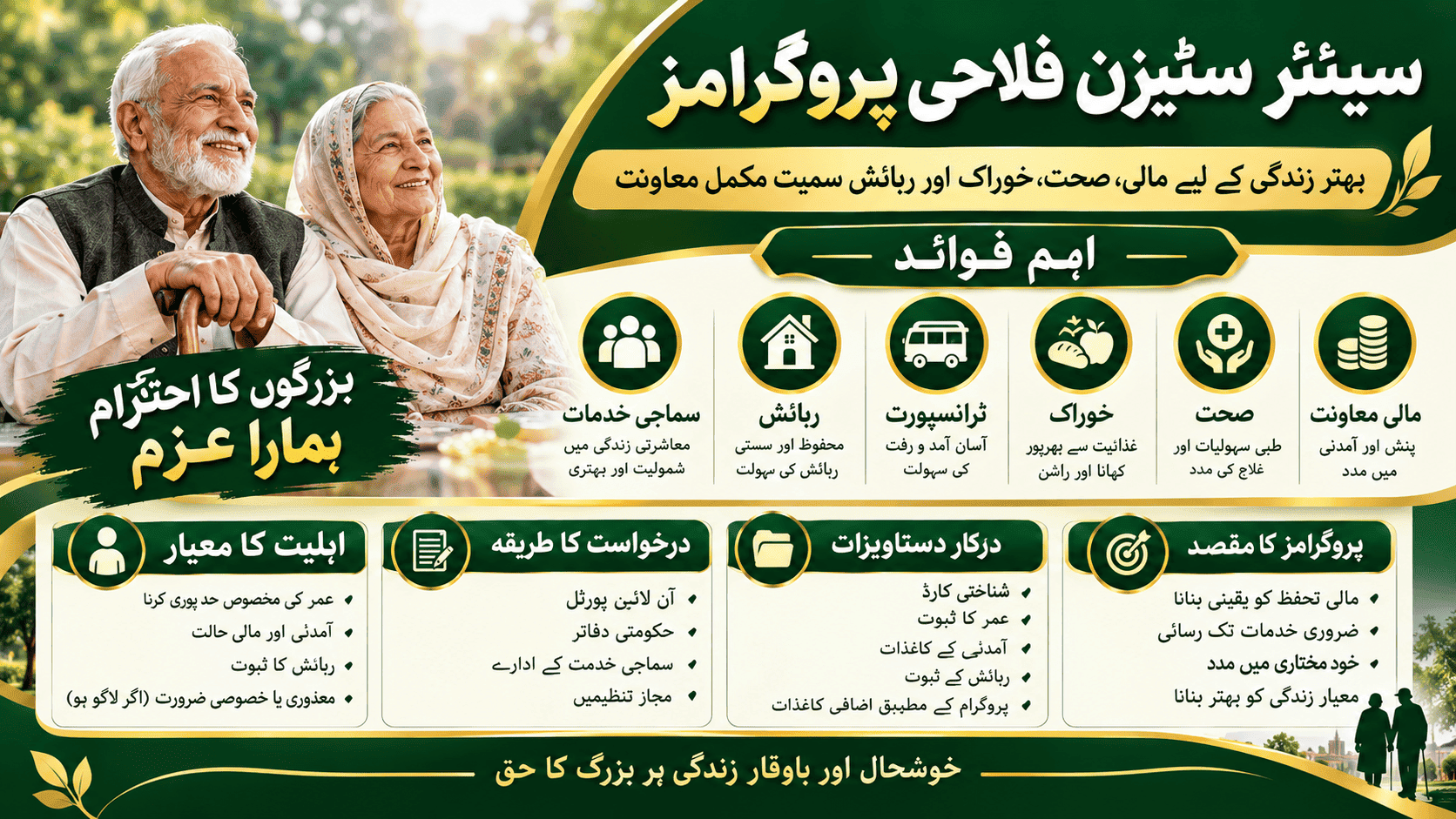
Key Information About Senior Citizen Welfare Programs
Important details about government welfare schemes, benefits, eligibility, and support
| Key Detail | Information |
|---|---|
| 👥 Target Group | Older adults and senior citizens |
| 💰 Common Benefits | Financial assistance, pensions, healthcare, food, housing, transportation, and social services |
| 📋 Eligibility | May depend on age, income, residency, disability, financial need, or other requirements |
| 💻 Application Methods | Online portals, government offices, social-service agencies, or authorized organizations |
| 📄 Common Documents | Identification, proof of age, income records, residency documents, and program-specific paperwork |
| 🎯 Main Purpose | To improve financial security, access to essential services, independence, and quality of life |
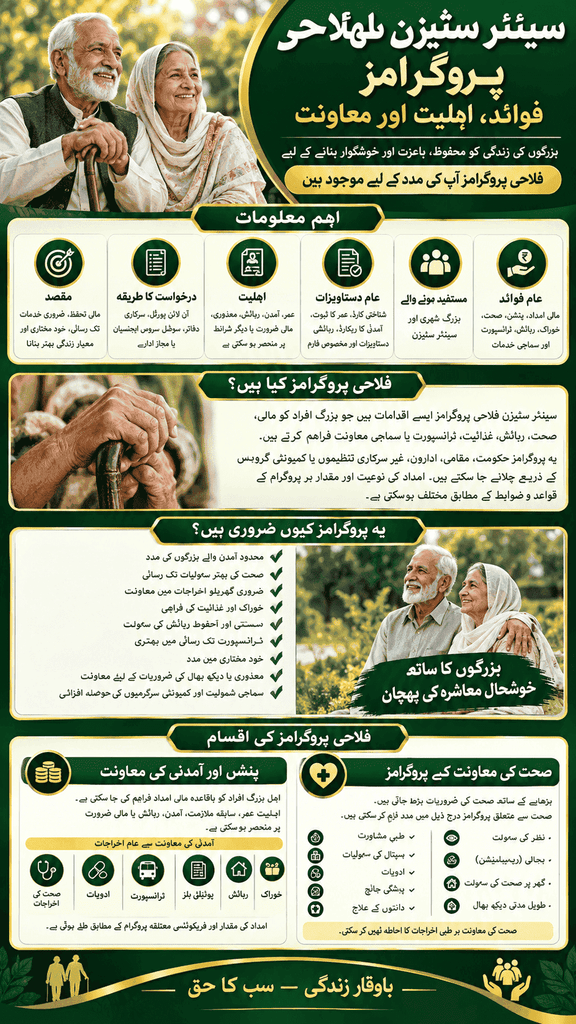
What Are Senior Citizen Welfare Programs?
Senior citizen welfare programs are initiatives designed to provide assistance to older adults who may need financial, healthcare, housing, nutritional, transportation, or social support.
These programs may be operated by government agencies, local authorities, nonprofit organizations, community groups, or other authorized institutions. The type and amount of assistance available depend on the specific program and the rules in the relevant location.
Some programs provide direct financial assistance, while others offer services or discounts that can reduce the cost of essential needs.
Why Are Welfare Programs Important for Senior Citizens?
Retirement can bring significant financial changes. A person may stop receiving regular employment income while continuing to face expenses related to housing, food, healthcare, transportation, and daily living.
Welfare programs can help address some of these challenges by providing targeted support.
Common goals include:
- Supporting seniors with limited income
- Improving access to healthcare
- Helping with essential household expenses
- Providing food and nutrition services
- Supporting affordable and safe housing
- Improving access to transportation
- Helping seniors remain independent
- Providing assistance for disability or care needs
- Encouraging social participation and community involvement
Types of Welfare Programs for Senior Citizens
Senior welfare assistance can cover several different areas. Not every program is available to every senior, so applicants should review the requirements for each benefit individually.
1. Pension and Income Support Programs
Pension and income-support programs can provide regular financial assistance to eligible older adults.
Depending on the program, eligibility may be based on age, previous contributions, income, residency, employment history, or financial need.
Common Expenses Covered by Income Support
Financial assistance may help eligible seniors manage expenses such as:
- Food and groceries
- Rent or housing costs
- Utility bills
- Transportation
- Healthcare expenses
- Prescription medicines
- Other essential household needs
The amount and frequency of financial assistance depend on the specific program.
2. Healthcare Assistance Programs
Healthcare becomes increasingly important as people age. Seniors may require regular medical appointments, prescription medicines, preventive care, rehabilitation, or treatment for long-term health conditions.
Healthcare-related welfare programs may provide assistance with:
- Medical consultations
- Hospital services
- Prescription medicines
- Preventive screenings
- Dental services
- Vision services
- Rehabilitation
- Home healthcare
- Long-term care
Understanding Healthcare Coverage
Healthcare assistance does not necessarily cover every medical expense. Some programs may cover particular services, providers, or treatments while requiring the beneficiary to pay part of the cost.
Seniors should review the official terms of a healthcare program before relying on a particular benefit.
3. Food and Nutrition Programs
Access to nutritious food is an important part of healthy aging. Some seniors may experience financial difficulties, mobility challenges, or other circumstances that make obtaining and preparing meals difficult.
Food and nutrition programs may include:
- Food assistance
- Subsidized groceries
- Community meal programs
- Home-delivered meals
- Senior dining services
- Nutrition education
Benefits of Nutrition Support
Food assistance can help eligible seniors maintain access to regular meals while reducing some of the financial pressure associated with grocery expenses.
4. Housing Assistance Programs
Safe and affordable housing is another important area of senior welfare. Housing programs may help eligible older adults with rent, utilities, accommodation, home repairs, or accessibility improvements.
Possible forms of support include:
- Affordable senior housing
- Rental assistance
- Utility assistance
- Home repair programs
- Accessibility modifications
- Housing-related financial support
Housing Eligibility
Housing programs often have specific eligibility conditions. These may include income limits, household size, residency requirements, property rules, or other criteria.
Applicants should check the current requirements before submitting an application.
5. Transportation Assistance
Transportation can become more difficult for some older adults, particularly those who no longer drive or have mobility limitations.
Senior transportation programs may provide:
- Reduced public transportation fares
- Community transportation
- Accessible transportation
- Medical appointment transportation
- Senior shuttle services
- Transportation to essential services
Reliable transportation can make it easier for seniors to attend medical appointments, purchase groceries, access public services, and remain connected with their communities.
6. Disability and Care Support
Some older adults require additional assistance because of disability, reduced mobility, or difficulty performing everyday activities.
Depending on the program, support may include:
- Personal care services
- Home assistance
- Mobility equipment
- Caregiver support
- Respite services
- Home modifications
- Long-term care services
Care-Related Eligibility
Care and disability programs may assess a person’s functional needs rather than relying on age alone. Medical records, assessments, or other documentation may be required.
7. Social and Community Support
Senior welfare is not limited to financial assistance. Community programs can also help older adults remain socially connected and active.
These services may include:
- Senior centers
- Recreational activities
- Educational programs
- Social events
- Counseling services
- Volunteer opportunities
- Digital literacy classes
- Community outreach
Social participation can help seniors maintain connections with friends, family members, and their wider community.
Eligibility for Senior Citizen Welfare Programs
Eligibility varies between programs and locations. Being a senior citizen does not automatically mean that a person qualifies for every available benefit.
Applicants should review the requirements of each individual program.
Age Requirements
Many senior welfare programs have a minimum age requirement. The required age may differ depending on the type of benefit.
Some programs may be available to people entering retirement age, while others may require applicants to be older.
Income and Financial Requirements
Income-based programs may evaluate an applicant’s financial circumstances.
Factors can include:
- Monthly or annual income
- Household size
- Savings and assets
- Property ownership
- Pension income
- Retirement income
- Other financial resources
Income limits may change over time, so applicants should check the latest requirements before applying.
Residency or Citizenship Requirements
Some government welfare programs have specific residency or citizenship requirements.
Certain benefits may also require an applicant to have lived in a particular area for a specified period.
Disability or Care Requirements
Programs providing disability or care-related assistance may require applicants to demonstrate a qualifying disability, reduced mobility, or difficulty performing daily activities.
Supporting medical documentation may be required.
Other Eligibility Factors
Depending on the program, eligibility may also consider:
- Employment or retirement status
- Household circumstances
- Previous social-insurance contributions
- Housing situation
- Caregiver responsibilities
- Level of care required
Because requirements differ, applicants should always consult the official rules for the specific program.
Documents Required for Senior Welfare Programs
Preparing the correct documents can make the application process easier and reduce unnecessary delays.
Commonly Requested Documents
Applicants may be asked to provide:
- Government-issued identification
- Proof of age or date of birth
- Proof of residence
- Income statements
- Pension or retirement records
- Financial information
- Medical or disability documentation
- Housing documents
- Information about household members
Keeping Documents Organized
It is useful to keep copies of applications, supporting documents, approval notices, and correspondence.
Organizing these records can make it easier to respond to requests for additional information or complete future renewals.
How to Apply for Senior Citizen Welfare Programs
The application process varies according to the program and the organization responsible for administering it.
Step 1: Identify Suitable Programs
Start by identifying the areas where assistance is needed.
These may include:
- Income
- Healthcare
- Food
- Housing
- Transportation
- Disability support
- Care services
- Community programs
Step 2: Check the Eligibility Criteria
Read the official requirements carefully before applying.
Pay attention to:
- Minimum age
- Income limits
- Residency rules
- Documentation requirements
- Application deadlines
- Renewal requirements
Step 3: Prepare the Required Documents
Gather identification, financial records, proof of residence, medical documentation, and any other paperwork required by the program.
Step 4: Submit the Application
Depending on the program, applications may be submitted through:
- Official government websites
- Government offices
- Social-service agencies
- Authorized service centers
- Community organizations
Whenever possible, use official application channels to reduce the risk of fraud or misinformation.
Step 5: Follow Up
Keep your application reference number, receipt, or confirmation.
If the agency requests additional information, provide it within the required timeframe.
How Families Can Help Senior Citizens
Family members can play an important role in helping older adults understand and access welfare services.
Practical Ways Families Can Help
Family members can:
- Identify potentially relevant welfare programs.
- Review eligibility requirements.
- Organize important documents.
- Assist with online applications.
- Help arrange transportation to government offices.
- Keep records of applications and correspondence.
- Help seniors understand renewal requirements.
- Assist with communication when necessary.
Seniors should remain involved in decisions concerning their benefits, finances, personal information, and other important matters whenever possible.
Common Challenges When Applying for Senior Benefits
Although welfare programs can provide valuable assistance, seniors may encounter several challenges during the application process.
Complex Eligibility Requirements
Different programs can have different age, income, residency, and documentation requirements.
Carefully reviewing the official criteria can help applicants avoid unnecessary delays.
Incomplete Documentation
Missing or outdated documents may result in requests for additional information.
Preparing paperwork before applying can make the process more efficient.
Digital Access Barriers
Many services now offer online applications. Seniors who are less comfortable with technology may need assistance creating accounts, uploading documents, or checking application status.
Changes in Personal Circumstances
Changes in income, address, household size, disability status, or other circumstances may affect eligibility.
Some programs require beneficiaries to report these changes or renew their eligibility periodically.
Tips for Managing Senior Welfare Benefits
Keep Personal Information Updated
Make sure relevant agencies have accurate contact details, address information, household information, and other required records.
Review Benefits Regularly
Eligibility and available programs can change over time. Seniors should periodically review whether they may qualify for additional assistance.
Use Official Information Sources
Government agencies, authorized service centers, and established community organizations are generally appropriate sources for verifying program information.
Keep Copies of Important Records
Maintain organized copies of applications, approval notices, identification documents, financial records, and official correspondence.
Be Aware of Welfare Scams
Older adults should be cautious about unsolicited calls, emails, text messages, or websites offering government benefits in exchange for money or sensitive information.
Never provide passwords, banking credentials, or other sensitive information unless the organization and request have been independently verified.
How Welfare Programs Can Support Independent Living
One important goal of senior welfare is to help older adults maintain independence and access essential services.
Financial assistance can help with everyday expenses, while transportation services can make it easier to attend appointments and access community resources. Home-based care and accessibility improvements may also help some seniors remain safely in their homes.
Social and community programs provide additional support by helping older adults maintain relationships and participate in meaningful activities.
Together, these services can address different aspects of senior well-being rather than focusing on financial assistance alone.
Choosing the Right Welfare Support
There is no single welfare program that meets the needs of every senior citizen. The most appropriate assistance depends on individual circumstances, including income, age, health, housing, mobility, and location.
Areas to Consider
| Area of Need | Potential Support |
|---|---|
| Income | Pension, cash assistance, or income-support programs |
| Healthcare | Medical coverage, prescription assistance, and preventive services |
| Food | Food assistance, meal delivery, or community dining |
| Housing | Rental assistance, subsidized housing, or home modifications |
| Transportation | Reduced fares, community transport, or medical transportation |
| Daily Care | Home assistance, personal care, or caregiver services |
| Social Support | Senior centers, activities, education, and community programs |
Reviewing needs across these areas can help seniors and their families determine which types of assistance may be worth exploring.
Frequently Asked Questions About Senior Citizen Welfare Programs
What are the main welfare benefits available to senior citizens?
Common categories include pensions or income assistance, healthcare services, food and nutrition programs, housing assistance, transportation services, disability support, long-term care, and community programs. Availability varies according to location and individual eligibility.
Can low-income seniors receive additional assistance?
Many welfare systems have programs designed specifically for people with limited income or financial resources. Eligibility is generally determined according to the program’s income and asset requirements.
Are senior welfare programs free?
Some programs may provide assistance without a direct cost to eligible participants, while others may involve contributions, co-payments, or fees. The conditions depend on the specific program.
Can seniors receive more than one welfare benefit?
In some circumstances, seniors may qualify for multiple programs at the same time. However, receiving one benefit can sometimes affect eligibility for another, so the rules should be checked carefully.
What should a senior do if a welfare application is rejected?
Review the decision notice to understand the reason for rejection. If the program provides a reconsideration or appeal process, follow the instructions and submit any required information within the stated deadline.
Can family members apply on behalf of a senior citizen?
This depends on the program and local rules. Some programs allow an authorized representative or family member to assist with an application, while others may require the senior to participate directly.
How often do senior welfare benefits need to be renewed?
Renewal requirements vary between programs. Some benefits may require periodic reviews, while others may require beneficiaries to report changes in their circumstances.
Final Thoughts
Senior citizen welfare programs can provide valuable support in areas such as income security, healthcare, food, housing, transportation, caregiving, and community participation. For older adults and their families, understanding the available options is an important step toward finding appropriate assistance.
Because eligibility requirements and benefits vary by program and location, seniors should verify current information through official sources before applying. Keeping documents organized, checking eligibility carefully, using legitimate application channels, and reviewing available benefits regularly can make the process easier.
With accurate information and proper preparation, senior citizens and their families can better understand available support and take informed steps toward greater financial security, independence, and quality of life.











Leave a Reply