

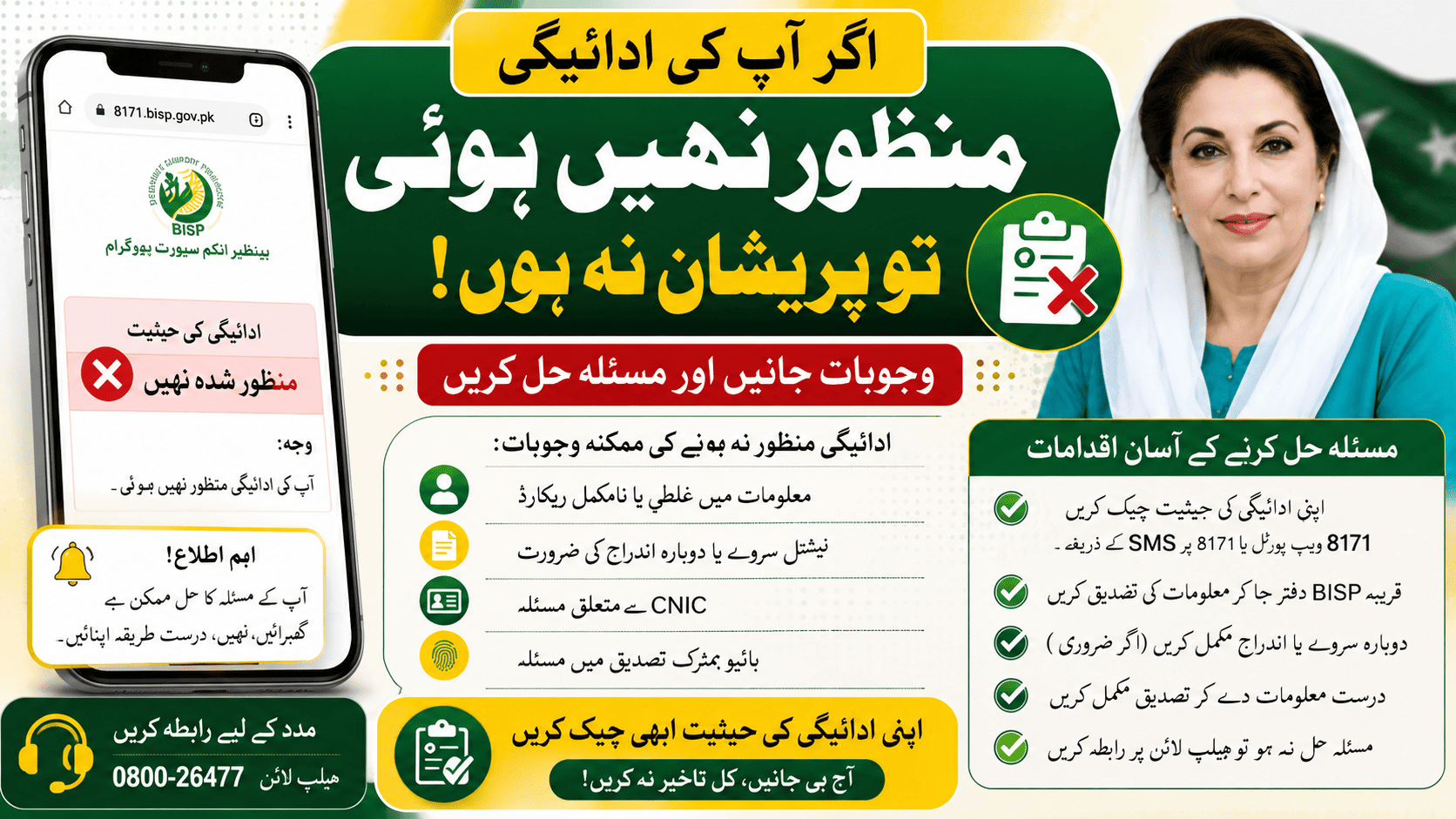
If your BISP payment has been rejected, disapproved, or is not showing as payable in 2026, it does not always mean that you have permanently lost your eligibility. A payment problem can occur because of an updated household survey, a change in socioeconomic information, incomplete verification, CNIC-related issues, biometric problems, or the need for recertification.
The Benazir Income Support Programme (BISP) determines eligibility through household information recorded in the National Socio-Economic Registry (NSER) and its Proxy Means Test (PMT) system. BISP also requires existing beneficiaries to undergo recertification after three years, so an older beneficiary may have to complete a new survey before continued assistance can be confirmed.
In 2026, BISP is also moving beneficiaries toward a newer digital payment system involving Social Protection Wallets and free BISP-issued SIMs. This means beneficiaries should keep their registered contact information accurate and follow instructions received through official BISP channels.
Quick Information Table
| Information | Details |
|---|---|
| Programme | Benazir Income Support Programme (BISP) |
| Main payment programme | Benazir Kafaalat |
| Eligibility assessment | NSER household data and PMT |
| Common reason for review | Updated socioeconomic information or recertification |
| Official BISP SMS number | 8171 |
| BISP complaint helpline | 0800-26477 |
| Survey fee | No fee |
| Where to resolve issues | Nearest BISP Tehsil Office / relevant registration or grievance channel |
| 2026 payment development | Social Protection Wallet and digital payment rollout |
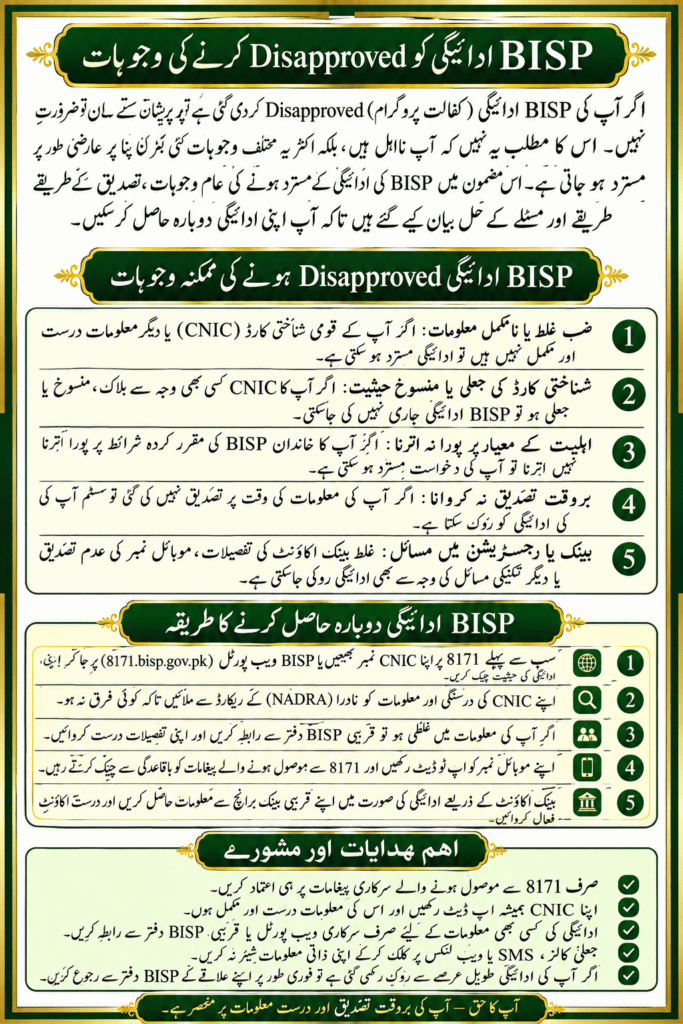
What Does “BISP Payment Disapproved” Mean?
A BISP payment disapproved status generally means that the payment has not been authorized for the current payment cycle. It should not automatically be interpreted as a permanent removal from BISP.
The underlying reason can vary from one household to another. BISP assesses families using socioeconomic information and verification procedures, and beneficiary information may be reassessed periodically. Existing beneficiaries who have completed three years of assistance are required to undergo recertification or re-survey to determine whether they remain eligible.
Therefore, the first step is to determine why your payment was not approved rather than assuming that your BISP registration has been permanently cancelled.
Why Is BISP Payment Rejected in 2026?
1. Your Household PMT Score May Have Changed
BISP uses the Proxy Means Test (PMT) to assess the socioeconomic status of households. The information collected through the NSER survey is used to determine whether a household falls within the applicable eligibility criteria.
If updated information changes your household’s assessment, your eligibility may be reviewed. This can affect whether a payment is approved for a particular cycle.
2. You May Need a Mandatory Re-Survey
One of the most important reasons existing beneficiaries can face payment problems is the requirement for recertification.
BISP states that beneficiaries who have been receiving assistance for three years are required to undergo a re-survey. The programme’s registry framework provides for recertification after three years, while other household updates can occur on a periodic basis.
If you have been receiving BISP assistance for several years and have not completed the required reassessment, visit the appropriate BISP Tehsil Office and ask whether your household is due for recertification.
3. Your Household Information May Be Outdated
BISP relies on information about the household to assess eligibility. Changes in family circumstances or other information recorded in government databases can result in a reassessment.
For this reason, beneficiaries should provide accurate and truthful information during the survey and make sure their contact information is correct. BISP specifically advises beneficiaries to provide a mobile number that is in regular use.
4. CNIC or NADRA Information May Need Verification
A valid CNIC and accurate identity information are important for BISP verification.
If there is a problem with your CNIC, household record, family information, or related government data, the payment process may be affected. In such cases, the appropriate authority may need to verify or update the information before BISP can proceed.
Do not pay an unofficial agent to “clear” your CNIC or BISP record. Use official BISP and NADRA channels.
5. Biometric Verification Can Cause Payment Problems
BISP payments have traditionally involved biometric verification, and verification issues can prevent a beneficiary from completing a payment transaction.
If your eligibility is confirmed but you cannot receive the payment because of a biometric problem, ask the payment provider or BISP office about the appropriate resolution procedure rather than repeatedly attempting the transaction.
BISP has emphasized that biometric verification remains an important part of secure beneficiary identification, while the programme is also expanding digital payment mechanisms.
6. Your Payment May Be Under Review
A payment that is temporarily unavailable may require additional verification. This is different from assuming that your entire BISP registration has been permanently cancelled.
Before taking any action, check your current status through an official BISP channel and ask the relevant office whether your household is eligible, under review, or requires an updated survey.
7. Your Registered Mobile Number May Be Incorrect or Inactive
BISP uses SMS communication to inform beneficiaries. The programme has repeatedly instructed beneficiaries to provide a mobile number that is actively used and to keep BISP informed if the number changes.
An incorrect or inactive number can therefore make it difficult to receive important payment or survey-related notifications.
How to Fix a BISP Payment Rejection
If your BISP payment has been disapproved, follow these steps instead of relying on unofficial agents.
Step 1: Check Your BISP Status
Start by checking your current BISP eligibility or payment status through an official BISP channel.
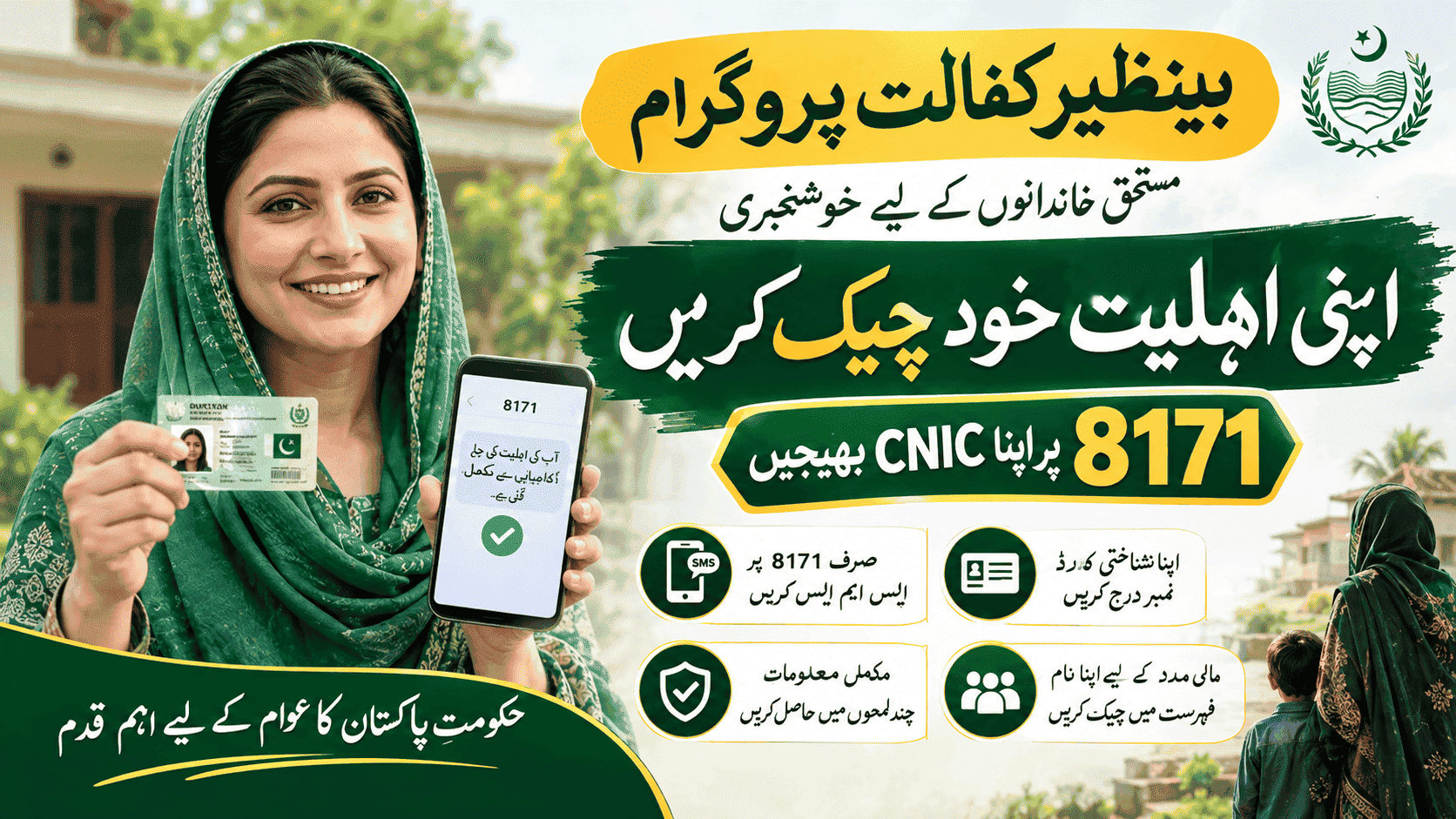
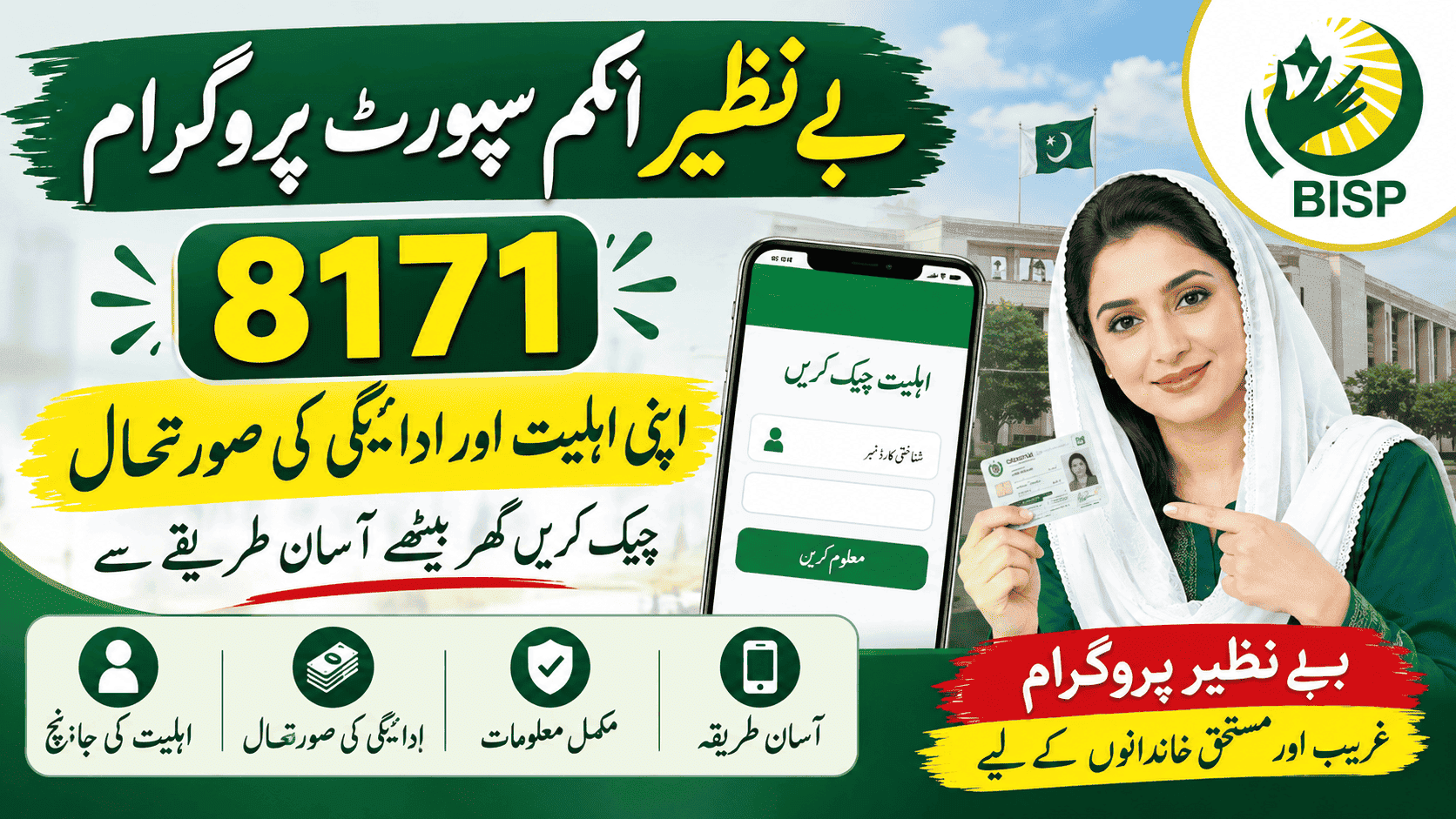
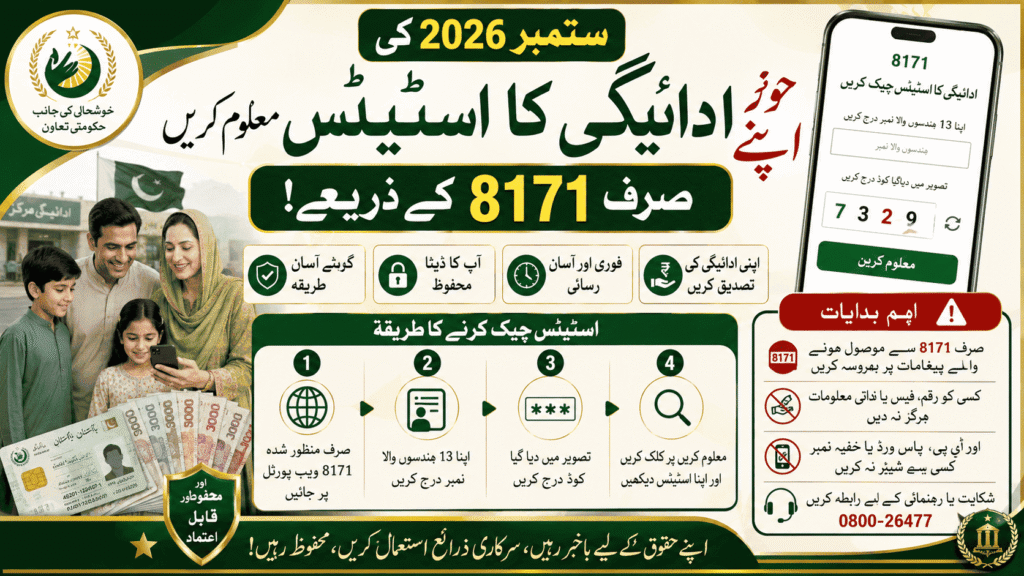
The BISP system has historically provided eligibility information through the 8171 service, and the programme’s official guidance identifies 8171 as the official BISP number.
Do not trust a person who claims that they can change your status through a private website, WhatsApp number, or paid service.
Step 2: Find Out Whether You Need a Re-Survey
If you have been receiving BISP assistance for around three years or longer, ask whether your household has been scheduled for recertification.
BISP has specifically advised beneficiaries who have completed three years of assistance to complete the required re-survey at their nearest BISP Tehsil Office.
Step 3: Visit the Nearest BISP Tehsil Office
If the online or SMS status does not clearly explain the problem, visit the relevant BISP Tehsil Office.
Take your original documents and explain that your payment has been disapproved. Ask the staff to check the reason recorded against your household and whether any verification, survey, or information update is required.
Step 4: Correct Inaccurate Information
If your household information is outdated or incorrect, follow the official procedure for updating it.
During a BISP survey, provide accurate information and use an active mobile number. BISP’s NSER guidance also emphasizes providing correct answers and keeping the survey receipt after completion.
Step 5: Resolve CNIC or Identity Problems
If BISP indicates that the issue is related to your CNIC or family record, determine what information needs to be corrected and which authority is responsible for the correction.
Do not submit false information simply to qualify for a payment. BISP eligibility is based on verified household information.
Step 6: File a Complaint if the Problem Is Not Resolved
If you believe your payment has been wrongly withheld, or if you experience an illegal deduction or other payment-related problem, you can use BISP’s official complaint mechanism.
BISP lists 0800-26477 as its helpline and also provides complaint redressal channels through its offices.
What Documents Should You Take to the BISP Office?
When visiting a BISP office to resolve a payment issue, it is sensible to take the documents that may be relevant to your case.
These can include:
- Original CNIC
- Mobile phone with your active registered number
- BISP survey or token receipt, if available
- Relevant family information or documents requested by BISP
- Any official SMS or payment information showing the problem
- Documents relating to a correction or change in household information, where applicable
The exact documents required can depend on the nature of the issue, so follow the instructions given by the BISP office.
BISP Payment Rejected After Re-Survey: What Should You Do?
A re-survey does not automatically guarantee continued payment. The purpose of reassessment is to determine whether the household continues to meet the applicable eligibility requirements.
If your payment remains disapproved after completing a survey, ask BISP to explain the current status of your household and whether the decision is based on your updated socioeconomic assessment, verification, or another issue.
Do not repeatedly request another survey without checking whether you are eligible to do so. BISP has stated that households generally cannot be surveyed again before two years, while existing beneficiaries undergo recertification after three years.
BISP Payment Rejected Because of Biometric Verification
If your BISP status indicates eligibility but your payment transaction fails because of biometric verification, this is a payment-verification problem, not necessarily proof that you have become ineligible.
Ask the authorized payment channel or BISP office for the correct procedure. Avoid giving your CNIC, phone, SIM, PIN, or other sensitive information to unauthorized individuals.
BISP has also warned beneficiaries not to hand over their mobile phones to agents or retailers during the newer digital payment process.
What Is Changing About BISP Payments in 2026?
BISP is implementing a new Social Protection Wallet system as part of its payment reforms.
Under the newer system, eligible beneficiaries receive BISP-issued SIMs through designated BISP channels, and digital wallets are being used to support more direct and secure payment delivery. BISP announced in 2026 that future payments would move toward this digital wallet mechanism.
This is important for beneficiaries because payment-related instructions may increasingly involve wallet activation, registered mobile numbers, and official BISP-issued SIMs.
Is the BISP SIM Free?
Yes. BISP has repeatedly stated that the SIM provided for the Social Protection Wallet is free of charge and should be obtained through official BISP channels. Beneficiaries should not pay an agent for the SIM or wallet activation.
How to Avoid Future BISP Payment Problems
You can reduce the risk of payment-related problems by following a few basic precautions:
Keep Your Information Accurate
Always provide truthful and updated household information during an official BISP survey or reassessment.
Keep Your Mobile Number Active
Use a mobile number that you regularly access and make sure BISP has the correct contact information.
Complete Re-Survey When Required
If BISP informs you that your household is due for recertification, complete the process through the appropriate BISP office rather than ignoring the notification.
Trust Only Official BISP Messages
BISP has clearly stated that 8171 is its official SMS number and that messages from other numbers should be treated as fraudulent.
Never Pay for a BISP Survey
BISP states that there is no fee for registration or survey. Anyone demanding money to complete a BISP survey or improve your eligibility should be treated with caution.
Beware of Fake BISP Messages and Agents
Payment problems can make beneficiaries vulnerable to scams. Fraudsters may claim that they can restore a rejected payment, increase the payment amount, update a BISP record, or release funds in exchange for money.
Do not share sensitive information with such people.
BISP specifically warns beneficiaries that official messages come from 8171 and advises them not to trust messages received from other numbers.
If someone demands a fee for a BISP survey or attempts an unauthorized deduction from your payment, report the matter through BISP’s official complaint channels.
Frequently Asked Questions
Why was my BISP payment rejected in 2026?
There is no single reason for every rejected payment. Possible causes include changes in household eligibility information, required recertification, verification problems, CNIC or household-record issues, or payment-related verification problems.
Can I get BISP payment after rejection?
Possibly, depending on the reason for the disapproval and your current eligibility. If the problem is caused by incomplete verification or an outstanding survey requirement, resolving that issue may allow BISP to reassess your case. Final eligibility is determined by BISP.
Do I need a new survey if my BISP payment is rejected?
Not necessarily. You should first determine the reason for the rejection. Beneficiaries who have completed three years of assistance may be required to undergo recertification, while BISP also has rules governing when households can undergo another survey.
What is the official BISP number?
8171 is the official BISP number used for beneficiary SMS communication. BISP warns people not to trust messages from other numbers.
What is the BISP complaint helpline?
BISP lists 0800-26477 as its helpline for complaints and beneficiary assistance.
Is there a fee for BISP registration or survey?
No. BISP states that its survey is free. Beneficiaries should not pay anyone for registration, surveying, or receiving the official BISP SIM.
What should I do if someone deducts money from my BISP payment?
Count your payment and keep the receipt where applicable. If there is an unauthorized deduction, report it promptly through the BISP helpline or the nearest BISP office. BISP specifically advises beneficiaries to report deductions.
Final Words
A BISP payment rejected or disapproved in 2026 does not automatically mean that you can never receive BISP assistance again. The correct solution depends on the reason recorded against your household.
The most practical approach is to check your official status, determine whether a re-survey or verification is required, update genuine information through the proper BISP process, and contact the nearest BISP Tehsil Office if the reason remains unclear.
Most importantly, do not pay an agent to restore your payment and do not trust unofficial messages. BISP says its official SMS number is 8171, its helpline is 0800-26477, and its survey is free.
For 2026, beneficiaries should also pay attention to BISP’s transition toward Social Protection Wallets and official BISP-issued SIMs, as the payment system continues to evolve.
Official BISP website: Benazir Income Support Programme



Leave a Reply